Introduction
This article explores the Top 5 Web3 technologies beyond cryptocurrency, explaining how they work, why they matter, real-world use cases, advantages, challenges, and their long-term impact on the global digital economy.
Web3 represents the next evolution of the internet, shifting control from centralized corporations to decentralized networks powered by blockchain technology. While cryptocurrencies were the first major application of Web3, they are only a small part of a much larger ecosystem. Today, Web3 technologies are redefining digital ownership, governance, identity, data storage, and application development across the world.
As industries move toward decentralization, transparency, and user empowerment, understanding the Top 5 Web3 Technologies is essential for developers, businesses, and digital entrepreneurs. These technologies go far beyond digital currencies and are actively shaping the future of finance, gaming, healthcare, social media, supply chains, and more.
1. Smart Contracts – The Backbone of Web3 Automation
What Are Smart Contracts?
Smart contracts are self-executing digital agreements written in code and deployed on blockchain networks. Once predefined conditions are met, the contract automatically executes without the need for intermediaries such as banks, lawyers, or brokers. Smart contracts are a core pillar among the Top 5 Web3 Technologies because they enable trustless, transparent, and automated transactions.
How Smart Contracts Power Web3
In traditional systems, trust is placed in centralized institutions. Smart contracts replace this trust with verifiable code stored on a blockchain. Every transaction is recorded publicly, immutable, and verifiable by anyone. This makes smart contracts highly secure and resistant to fraud.
They are widely used in decentralized finance platforms, NFT marketplaces, decentralized applications, and blockchain-based governance systems.
Real-World Use Cases
Smart contracts are transforming:
- Decentralized finance (lending, borrowing, staking)
- Insurance claim automation
- Supply chain tracking and payments
- Digital identity verification
- Gaming rewards and in-game assets
Advantages of Smart Contracts
- Elimination of intermediaries
- Reduced operational costs
- High transparency and security
- Faster execution of agreements
- Global accessibility
Challenges and Limitations
Despite their benefits, smart contracts face challenges such as coding vulnerabilities, scalability issues, and legal uncertainty in many jurisdictions. However, continuous innovation and audits are improving their reliability.
Smart contracts remain one of the most impactful components of the Top 5 Web3 Technologies and are foundational to the decentralized internet.
2. Decentralized Applications (dApps) – The New Internet Apps
Understanding Decentralized Applications
Decentralized applications, commonly known as dApps, are applications that run on blockchain networks instead of centralized servers. Unlike traditional apps controlled by a single company, dApps are governed by smart contracts and decentralized networks, making them censorship-resistant and user-centric.
Among the Top 5 Web3 Technologies, dApps represent the most visible layer of Web3 for end users.
How dApps Differ from Web2 Applications
Traditional applications store data on centralized servers, giving companies full control over user data. dApps store data on decentralized ledgers, ensuring transparency and reducing single points of failure.
Users interact with dApps through digital wallets instead of usernames and passwords, giving them direct ownership of their data and assets.
Popular dApp Categories
- Decentralized finance platforms
- Blockchain-based games
- NFT marketplaces
- Decentralized social networks
- Prediction and governance platforms
Global Impact of dApps
dApps are enabling financial inclusion in regions with limited banking infrastructure. They allow users worldwide to access financial services, digital ownership, and online communities without intermediaries.
Benefits of dApps
- User data ownership
- Resistance to censorship
- Global accessibility
- Transparent operations
- Reduced platform dependency
Challenges Facing dApps
Usability, scalability, and transaction fees remain challenges. However, advancements like layer-2 solutions and better user interfaces are rapidly improving adoption.
technologiesdApps are a major force within the Top 5 Web3 Technologies and will define how users interact with the decentralized internet.
3. Decentralized Autonomous Organizations (DAOs) – Governance Without Central Authority
What Are DAOs?
Decentralized Autonomous Organizations are blockchain-based organizations governed by smart contracts and community voting instead of centralized leadership. DAOs enable collective decision-making, making them one of the most revolutionary ideas within the Top 5 Web3 Technologies.
How DAOs Work
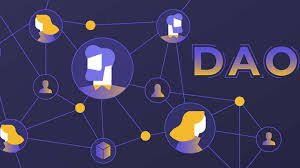
Members hold governance tokens that allow them to propose and vote on decisions. These decisions can include funding proposals, protocol upgrades, and policy changes. Once approved, smart contracts automatically execute the outcome.
Use Cases of DAOs
DAOs are being used for:
- Investment and venture capital funds
- Open-source project governance
- Community-driven social platforms
- Gaming guilds
- Charity and crowdfunding initiatives
Why DAOs Matter Globally
DAOs enable borderless collaboration, allowing people from different countries to work together without traditional corporate structures. This creates new economic models and work opportunities worldwide.
Advantages of DAOs
- Transparent governance
- Community-driven decisions
- Reduced corruption and bias
- Global participation
- Automated execution
Challenges and Risks
Legal recognition, voter participation, and governance attacks remain concerns. Despite this, DAOs continue to evolve and are gaining attention from governments and enterprises.
DAOs represent a powerful governance model and a key part of the Top 5 Web3 Technologies shaping future organizations.
4. Decentralized Identity (DID) – Owning Your Digital Identity
What Is Decentralized Identity?
Decentralized Identity allows individuals to own and control their digital identities without relying on centralized authorities like governments or corporations. In the Web3 ecosystem, identity is managed through cryptographic credentials stored on blockchain networks.
This makes decentralized identity a crucial inclusion in the Top 5 Web3 Technologies.
Problems with Traditional Identity Systems
Centralized identity systems are vulnerable to data breaches, misuse, and surveillance. Users often lose control over their personal data once it is shared online.
Decentralized identity solves this by giving users full ownership and selective disclosure capabilities.
Applications of Decentralized Identity
- Secure login systems
- Digital passports and credentials
- KYC and verification processes
- Healthcare records
- Educational certificates
Benefits of Decentralized Identity
- Enhanced privacy
- Reduced identity theft
- User-controlled data sharing
- Interoperability across platforms
- Strong security through cryptography
Challenges to Adoption
Standardization, regulatory alignment, and user education are ongoing challenges. However, decentralized identity is gaining momentum globally.
Decentralized identity strengthens user sovereignty and plays a vital role among the Top 5 Web3 Technologies.
5. Decentralized Storage Networks—Replacing Centralized Cloud Systems
What Is Decentralized Storage?
Decentralized storage networks distribute data across multiple nodes instead of storing it in centralized data centers. Technologies like IPFS and Filecoin are transforming how data is stored and accessed in Web3.
This makes decentralized storage a critical component of the Top 5 Web3 Technologies.
Why Decentralized Storage Is Important
Centralized cloud storage is vulnerable to outages, censorship, and data breaches. Decentralized storage improves resilience, security, and accessibility by spreading data across a global network.
Use Cases of Decentralized Storage
- NFT metadata hosting
- dApp backend storage
- Secure file sharing
- Backup and archival storage
- Content distribution networks
Advantages of Decentralized Storage
- Improved data security
- Resistance to censorship
- Reduced downtime
- Cost efficiency
- Global redundancy
Current Limitations
Performance speed, user experience, and adoption barriers exist, but continuous improvements are addressing these issues.
Decentralized storage ensures the long-term sustainability of Web3 and completes the ecosystem of the Top 5 Web3 technologies.
Conclusion
Web3 is far more than cryptocurrency. The technologies driving this decentralized revolution are reshaping how we build applications, govern organizations, manage identity, and store data. The Top 5 Web3 Technologies discussed in this article—smart contracts, decentralized applications, DAOs, decentralized identity, and decentralized storage—form the foundation of the next-generation internet.
As adoption increases, these technologies will redefine digital trust, ownership, and collaboration on a global scale. Businesses, developers, and individuals who understand and embrace Web3 today will be better positioned for the digital future.
Want to know about “Top 5 Open-Source Technologies Empowered Modern Software“