
In just a few years, wearable technology has evolved from simple step counters to intelligent devices that monitor health, enhance productivity, and even redefine communication. As we move into 2026, innovation in this space is accelerating faster than ever. From AI-driven health tracking to smart fabrics and enterprise-grade applications, the next generation of devices promises to transform how we live and work.
Consumers are demanding smarter, lighter, and more integrated solutions. Businesses are investing heavily in connected ecosystems. Governments and healthcare providers are also recognizing the long-term potential of data-driven monitoring systems. In this blog, we will explore the major trends shaping the future of this fast-growing industry and what you can expect in the coming year.
1. AI-Powered Health Monitoring Becomes Mainstream
Health tracking is no longer limited to counting steps or monitoring heart rate. In 2026, artificial intelligence is playing a central role in predictive health analytics.

Major brands like Apple and Samsung are integrating advanced AI models into their smartwatches to detect irregular heart rhythms, blood oxygen fluctuations, stress levels, and even early signs of chronic illness. The future of wearable technology in 2026 is intelligent, connected, and deeply integrated into daily life.
Key Developments:
- Real-time glucose monitoring without invasive needles
- AI-powered sleep pattern analysis
- Early detection of cardiovascular risks
- Personalized fitness recommendations
Healthcare providers are increasingly partnering with tech companies to create remote patient monitoring systems. This allows doctors to receive live health data, improving diagnosis accuracy and reducing hospital visits.
2. Smart Glasses and AR Wearables Go Mainstream
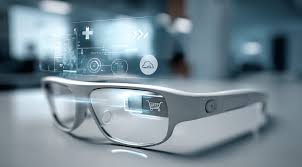
Smart glasses are finally moving beyond prototypes. Companies like Meta and Google are investing billions into augmented reality solutions. The future of wearable technology in 2026 is intelligent, connected, and deeply integrated into daily life.
In 2026, we can expect:
- Seamless AR overlays for navigation
- Real-time language translation
- Hands-free video communication
- Enterprise training simulations
Unlike early versions, modern smart glasses are lighter, more stylish, and more powerful. They integrate with smartphones and cloud platforms, creating immersive digital experiences without bulky headsets.
3. Smart Clothing and Biometric Fabrics
One of the most exciting innovations in wearable technology is the rise of smart textiles. These garments include embedded sensors that monitor body temperature, muscle movement, hydration, and posture. The future of wearable technology in 2026 is intelligent, connected, and deeply integrated into daily life.
Sports brands and medical researchers are collaborating to develop:
- Fitness shirts that track muscle performance
- Smart socks that detect diabetic foot complications
- Temperature-regulating jackets
Smart clothing is particularly promising in professional sports, military operations, and healthcare. Instead of wearing multiple devices, users can rely on fabric-integrated systems that feel natural and comfortable.
4. Workplace and Industrial Applications
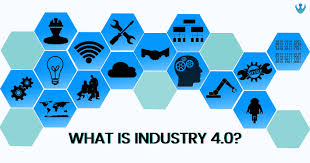
While consumer devices dominate headlines, enterprise adoption is growing rapidly. Manufacturing, logistics, and field service industries are integrating wearable solutions to improve safety and productivity. The future of wearable technology in 2026 is intelligent, connected, and deeply integrated into daily life.
Real-World Applications:
- Smart helmets with hazard detection
- AR headsets for remote technical support
- Hands-free communication devices
- Location tracking for workforce management
Companies are using these tools to reduce accidents, improve efficiency, and cut operational costs. In high-risk industries like oil and gas, real-time biometric monitoring can prevent fatigue-related incidents.
5. Enhanced Battery Life and Energy Efficiency
Battery life has always been a major limitation. In 2026, advancements in energy-efficient chipsets and solar charging integration are extending device usage significantly.The future of wearable technology in 2026 is intelligent, connected, and deeply integrated into daily life.
Innovations include:
- Ultra-low power processors
- Kinetic energy charging
- Flexible batteries integrated into fabrics
- Wireless fast-charging capabilities
Longer battery life means fewer interruptions and better reliability, especially in healthcare and industrial use cases.
6. Data Privacy and Cybersecurity Improvements
As devices collect more sensitive information, cybersecurity becomes critical. Manufacturers are implementing stronger encryption, multi-factor authentication, and decentralized data storage.

Governments are introducing stricter data protection regulations to ensure:
- User consent transparency
- Secure cloud storage
- Encrypted biometric data transmission
Trust is becoming a competitive advantage. Companies that prioritize security will lead the market in 2026. The future of wearable technology in 2026 is intelligent, connected, and deeply integrated into daily life.
7. Integration with Smart Homes and IoT Ecosystems
Modern devices are no longer standalone gadgets. They are part of a connected digital ecosystem. The future of wearable technology in 2026 is intelligent, connected, and deeply integrated into daily life.
Integration includes:
- Smart home automation control
- Voice assistant compatibility
- Vehicle connectivity
- Health data synchronization with medical platforms
As IoT networks expand, seamless connectivity will become standard rather than optional.
8. Mental Health and Emotional Tracking
Mental wellness is gaining attention globally. Devices in 2026 are incorporating stress detection, mood tracking, and guided meditation features. The future of wearable technology in 2026 is intelligent, connected, and deeply integrated into daily life.
By analyzing heart rate variability, sleep quality, and activity patterns, AI systems can suggest relaxation techniques or alert users about burnout risks. This holistic approach positions technology as a proactive wellness companion rather than just a fitness tracker.
9. Fashion Meets Function
Design is becoming as important as performance. Consumers want devices that complement their lifestyle. The future of wearable technology in 2026 is intelligent, connected, and deeply integrated into daily life.
Luxury brands are collaborating with tech manufacturers to produce:
- Designer smartwatches
- Customizable smart bands
- Minimalist health rings
The blending of fashion and innovation is driving broader adoption across demographics.
10. The Role of 5G and Edge Computing
The expansion of 5G networks allows faster data transfer and real-time analytics. Combined with edge computing, devices can process data locally instead of relying solely on cloud servers. The future of wearable technology in 2026 is intelligent, connected, and deeply integrated into daily life.

Benefits include:
- Reduced latency
- Improved battery efficiency
- Enhanced real-time health alerts
- Faster AR performance
This infrastructure upgrade is crucial for supporting complex applications in healthcare and industrial environments.
Market Growth Projections for 2026
Industry analysts predict continued exponential growth. Factors driving expansion include:
- Increasing health awareness
- Rising remote work culture
- Aging global population
- Technological miniaturization
North America and Asia-Pacific are expected to dominate the market, with emerging economies showing rapid adoption due to affordable device options. The future of wearable technology in 2026 is intelligent, connected, and deeply integrated into daily life.
Challenges Facing the Industry
Despite rapid growth, challenges remain:
- Data security concerns
- High production costs
- Regulatory compliance issues
- Device interoperability limitations
- Consumer skepticism about accuracy
Addressing these issues will determine long-term sustainability.
What Consumers Should Expect in 2026
If you’re planning to invest in new devices next year, expect:
- Longer battery life
- More accurate health tracking
- Sleeker designs
- Stronger data privacy
- Seamless cross-platform integration
The line between medical devices and lifestyle gadgets will continue to blur.
Why Businesses Should Pay Attention
Organizations that leverage wearable technology effectively can:
- Improve employee safety
- Boost productivity
- Reduce healthcare costs
- Enhance customer engagement
Forward-thinking companies are already incorporating these solutions into digital transformation strategies.
Final Thoughts
The future of wearable technology in 2026 is intelligent, connected, and deeply integrated into daily life. What started as a simple fitness accessory has evolved into a powerful digital companion capable of transforming healthcare, business operations, and personal productivity.
As artificial intelligence, IoT, and 5G continue to advance, these devices will become smarter and more indispensable. Whether you are a consumer looking to optimize your health or a business aiming to increase efficiency, the coming year promises groundbreaking innovation.
The next wave of technological evolution will not sit on your desk—it will be worn on your wrist, woven into your clothing, and integrated into your everyday routine.
Want to know about “Top 5 Software Trends Essential for Global Businesses“