One of the most groundbreaking advancements in 2026 is Kling 3.0, the latest version of the powerful AI video generation model developed by Kuaishou.
The digital world is evolving at lightning speed, and artificial intelligence continues to redefine how we create, communicate, and innovate.
From hyper-realistic video generation to cinematic storytelling powered entirely by text prompts, Kling 3.0 has impressed creators, marketers, filmmakers, educators, and businesses worldwide. But what exactly makes it stand out in the crowded AI landscape? Why is it being called a revolution in digital content creation?
In this comprehensive guide, we’ll explore how Kling 3.0 is transforming industries, reshaping creativity, and redefining what’s possible in AI-powered video production.
What Is Kling 3.0?
Kling 3.0 is an advanced AI video generation model designed to convert text prompts into high-quality, realistic videos. It builds upon earlier versions of Kling and significantly improves realism, motion accuracy, scene depth, and storytelling quality.
Unlike basic AI video tools that generate short clips with limited motion, it offers:
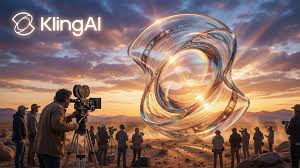
- Cinematic camera movements
- Realistic human expressions
- Advanced physics simulation
- Long-form video generation
- High-resolution output
- Complex multi-scene storytelling
This makes Kling 3.0 one of the most powerful generative AI tools in the digital world today.
The Technology Behind Kling 3.0
To understand how it impresses the digital world, we must look at the advanced technologies powering it.
1. Advanced Diffusion Models
It uses enhanced diffusion-based generative models that allow it to create frame-by-frame consistency. This means smoother motion, better lighting transitions, and natural object interactions.
2. Deep Motion Understanding
One of the biggest challenges in AI video creation is realistic movement. It integrates motion modeling algorithms that understand gravity, inertia, and object interaction. This makes movements look natural instead of robotic.
3. Cinematic Intelligence
It doesn’t just generate visuals—it understands cinematic language. It interprets prompts like:
- “Wide-angle cinematic shot”
- “Slow-motion emotional scene”
- “Dramatic sunset lighting”
- “Tracking camera movement”
The result is professional-level video output without requiring a production crew.
4. Multi-Modal Learning
It is trained on text, image, and video datasets, allowing it to connect language with visual storytelling. This multi-modal intelligence gives it a major advantage in producing coherent narratives.
Why Kling 3.0 Is Impressing the Digital World
1. Hyper-Realistic AI Videos
The digital world thrives on realism and immersion. It produces:
- Natural facial expressions
- Realistic shadows and reflections
- Detailed textures
- Accurate human motion
This level of realism competes with professional filmmaking tools.
2. Empowering Content Creators
Content creators no longer need expensive equipment or editing software. With It :
- A simple text prompt becomes a short film.
- Social media videos can be created instantly.
- Marketing visuals can be generated in minutes.
This democratizes creativity and lowers the barrier to entry.
3. Transforming Digital Marketing
Businesses are using It to:
- Generate product ads
- Create promotional videos
- Produce explainer content
- Design cinematic brand storytelling
AI-generated ads are becoming more personalized and cost-effective.
4. Game and Virtual World Development
Game developers use It for:
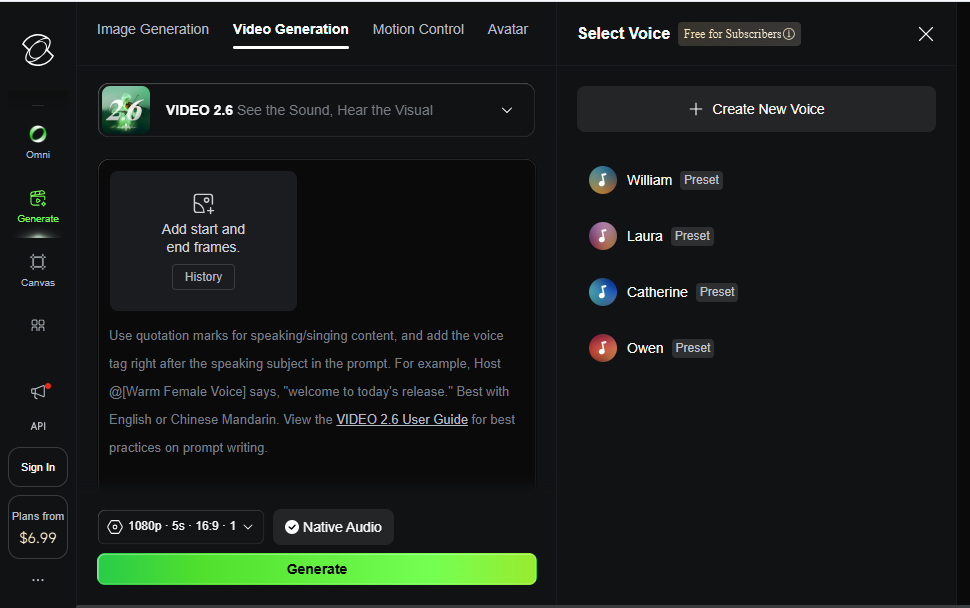
- Cutscene generation
- Character animation
- World-building previews
- Concept visualization
It reduces development time and enhances creative experimentation.
5. Film and Media Industry Impact
Independent filmmakers and studios now leverage it for:
- Storyboarding
- Scene pre-visualization
- Prototype production
- Low-budget cinematic experiments
This reduces production costs and speeds up creative testing.
Kling 3.0 vs Other AI Video Tools
While there are many AI video generators available, It stands out due to:
- Longer video duration support
- Superior motion realism
- Advanced camera simulation
- Stronger physics modeling
- High-resolution output
Compared to earlier AI video systems, It offers smoother continuity between frames and significantly reduced distortion artifacts.
The Role of Kling 3.0 in the Creator Economy
The creator economy is expanding rapidly. Platforms like YouTube, TikTok, and Instagram require consistent, engaging content. It allows creators to:
- Produce daily cinematic clips
- Test creative ideas quickly
- Reduce editing time
- Generate viral-ready content
This speeds up content production cycles and enhances competitiveness.
How Businesses Benefit from Kling 3.0
1. Cost Reduction
Traditional video production requires:
- Cameras
- Actors
- Locations
- Editing teams
- Production crews
It reduces these costs significantly.
2. Faster Campaign Launch
Marketing campaigns can now be created in hours instead of weeks.
3. Global Localization
Businesses can generate culturally tailored video content for different markets without filming multiple versions.
Kling 3.0 and the Future of AI Storytelling
One of the most exciting aspects of It is its storytelling potential. Instead of just generating visuals, it creates emotionally resonant narratives.
This opens doors for:
- AI-generated short films
- Educational storytelling
- Historical recreations
- Interactive digital experiences
The digital world is shifting from static content to dynamic, immersive storytelling.
Ethical Considerations and Challenges
While It impresses the digital world, it also raises important concerns:
- Deepfake misuse
- Copyright issues
- Authenticity debates
- Content moderation challenges
Responsible AI use is essential for long-term sustainability.
The Competitive Advantage of Kling 3.0
What truly separates It from competitors is:
- Precision motion modeling
- Realistic environmental physics
- Advanced lighting simulation
- Improved subject consistency
These technical improvements make it a leader in AI video generation.
Educational Applications of Kling 3.0
Education is another sector benefiting from It.
Teachers and institutions can:
- Create visual explanations
- Simulate scientific processes
- Generate historical event reenactments
- Build interactive lessons
This enhances student engagement and retention.
Kling 3.0 and the Evolution of Digital Creativity
Digital creativity is moving toward AI collaboration. Instead of replacing creators, It acts as a creative assistant.
It enables:
- Idea visualization
- Rapid prototyping
- Artistic experimentation
- Creative brainstorming
AI and humans are now co-creators.
The Future Outlook of Kling 3.0
As AI technology continues to evolve, future updates may include:
- Real-time video generation
- Interactive AI-driven characters
- Personalized AI films
- Full-length AI movies
The digital world is only beginning to experience the capabilities of It.
Conclusion: Why Kling 3.0 Truly Impresses the Digital World
It represents a turning point in AI-driven video creation. Developed by Kuaishou, this powerful model combines realism, storytelling intelligence, and cinematic capability in a way never seen before.
It empowers creators, transforms marketing, accelerates filmmaking, enhances education, and fuels innovation across industries.
The digital world is impressed because it doesn’t just generate videos—it generates possibilities.
As artificial intelligence continues to evolve, it stands as a symbol of the next era of digital creativity—where imagination meets intelligent automation.
Want to know about “The Rise of ChatGPT Ads in the World in 2026“?