
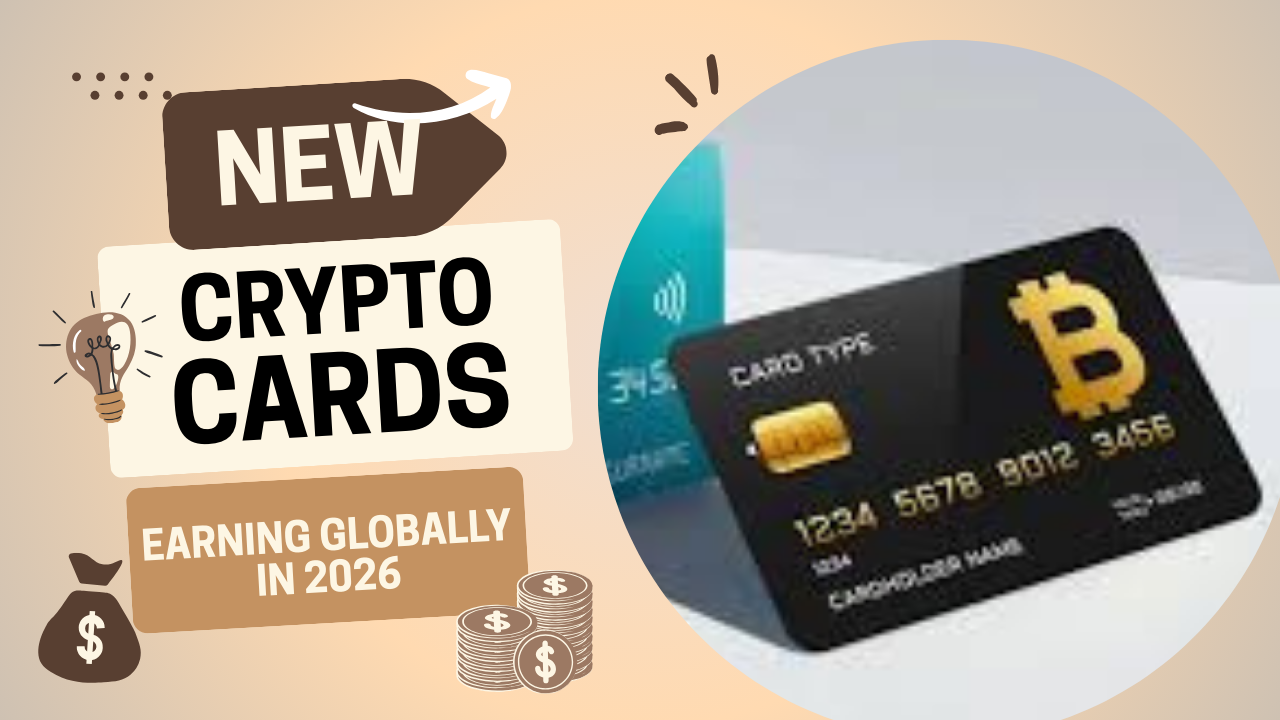
A crypto card is quickly becoming one of the most practical financial innovations in the blockchain ecosystem. It bridges the gap between digital assets and everyday spending, allowing users to withdraw or spend their cryptocurrency seamlessly. Instead of manually transferring funds from an exchange to a bank account, users can now pay directly at stores, shop online, or even withdraw cash from ATMs using crypto-backed debit cards.
The cryptocurrency revolution has transformed how people invest, trade, and store value. However, one major challenge has remained consistent for years: how to easily spend or withdraw digital assets in the real world. While exchanges allow users to convert crypto into fiat currency, the process can be slow, costly, and inconvenient. That’s where these cards enter the picture.
As global adoption of digital currencies increases, this card is redefining convenience, accessibility, and financial freedom. In this article, we will explore how this new financial tool works, its advantages, security considerations, real-world use cases, potential risks, and why it may shape the future of crypto spending.
What Is a Crypto Card?
A crypto card is a payment card—usually debit-based—that allows users to spend cryptocurrency for everyday transactions. It functions similarly to traditional debit or prepaid cards but is linked to a crypto wallet instead of a bank account.

When a user makes a purchase, the card provider automatically converts the required cryptocurrency into local fiat currency at the point of sale. This allows merchants to receive payment in their preferred currency while users spend their digital assets effortlessly.
There are typically two main types of cards:
- Prepaid cards
- Debit crypto cards linked to crypto wallets or exchanges
Some providers also offer credit-based options, although these are less common and often come with stricter requirements.
The Crypto card eliminates one of the biggest barriers in the crypto ecosystem: converting digital assets into spendable money without delays or complicated steps.
How a Crypto Card Works
Understanding how this card operates helps explain why it is gaining popularity worldwide.
- User Deposits Crypto
The cardholder deposits cryptocurrency into a connected wallet or exchange account. - Card Is Linked to Wallet
The Crypto card is connected to the user’s crypto balance through a financial provider. - Transaction Happens
When the user pays at a store or online platform, the required amount of cryptocurrency is instantly converted into fiat currency. - Merchant Receives Fiat
The merchant receives payment in traditional currency, just like any other debit or credit card transaction. - User Gets Confirmation
The transaction appears in the user’s app dashboard with an updated crypto balance.
This process typically takes only seconds, making it feel identical to using a traditional debit card.
Why the Crypto Card Is a Game Changer
The rise of these cards represents a turning point in digital finance. For years, cryptocurrency holders were limited to exchanges and peer-to-peer transfers. Now, crypto can function as an everyday spending tool.

Here’s why this innovation matters:
- It increases liquidity for crypto holders.
- It eliminates long withdrawal processing times.
- It reduces dependency on banks.
- It supports global payments.
- It simplifies crypto-to-fiat conversion.
The Crypto card essentially turns digital investments into practical, spendable money without friction.
Benefits of Using a Crypto Card
1. Instant Access to Funds
One of the biggest advantages is speed. Instead of waiting days for bank transfers, users can spend their crypto immediately.
2. Global Usability
Most cards operate on major payment networks, meaning they can be used worldwide at millions of locations.
3. ATM Withdrawals
Users can withdraw local currency from ATMs using their crypto balance.
4. Cashback and Rewards
Some providers offer crypto rewards, meaning users earn additional digital assets for everyday purchases.
5. Financial Inclusion
For individuals without traditional banking access, a crypto card provides an alternative way to manage funds.
Who Should Use a Crypto Card?
This financial tool is ideal for:
- Frequent crypto traders
- Remote workers paid in cryptocurrency
- Digital nomads
- Investors who want liquidity without selling assets entirely
- Tech-savvy users seeking financial flexibility
As cryptocurrency adoption grows globally, more individuals are finding practical reasons to integrate a card into their financial strategy.
Security Features of a Crypto Card
Security remains a major concern in digital finance. Reputable card providers implement strong security measures, including
- Two-factor authentication
- Biometric verification
- Real-time transaction alerts
- Card freezing options
- Encryption technology
However, users must still practice safe wallet management and protect private keys.
Fees to Consider
While convenient, using this card may involve fees such as
- Conversion fees
- ATM withdrawal fees
- Monthly maintenance fees
- Foreign transaction fees
Before choosing a provider, users should carefully review fee structures to maximize value.
Potential Risks
Although innovative, there are certain risks:
- Crypto price volatility may affect spending power.
- Regulatory uncertainty in some countries.
- Service interruptions due to exchange issues.
- Custodial risks if funds are stored with third parties.
Understanding these risks ensures responsible usage.
Crypto Card vs Traditional Bank Card
While both function similarly, key differences include

- Funding source (crypto wallet vs bank account)
- Volatility impact
- Regulatory framework
- Potential for rewards in cryptocurrency
The Crypto card blends modern digital finance with traditional payment systems.
The Future of Crypto Cards
The global financial landscape is evolving rapidly. As governments explore central bank digital currencies and blockchain adoption expands, crypto payment solutions will likely become more mainstream.
Future developments may include:
- Lower transaction fees
- Integration with decentralized finance platforms
- Improved cross-border payment systems
- Enhanced security technologies
- Broader merchant acceptance
The Crypto card may soon become as common as traditional debit cards.
Regulatory Landscape
Different countries treat cryptocurrency differently. Some fully embrace digital assets, while others impose restrictions.
Before applying for a card, users should check local regulations regarding crypto spending and taxation.
Compliance with Know Your Customer (KYC) and Anti-Money Laundering (AML) policies is typically required.
Real-World Use Cases
The practical applications are expanding daily:
- Paying for travel bookings
- Online shopping
- Subscription services
- Dining and retail purchases
- Emergency cash withdrawals abroad
The Crypto card brings real-world functionality to digital assets.
Impact on Traditional Banking
Banks are taking notice. Some financial institutions are exploring partnerships with crypto companies to remain competitive.
The integration of blockchain technology into mainstream finance may accelerate as demand for flexible payment solutions increases.
Tax Implications
In many jurisdictions, spending cryptocurrency may trigger taxable events. Users should consult tax professionals to understand reporting obligations.
The convenience of a card does not eliminate tax responsibilities.
Adoption Trends
Cryptocurrency adoption continues to rise worldwide. With millions of users entering the digital asset space annually, practical spending tools are in high demand.
These cards plays a crucial role in bridging investment and usability.
Innovation and Competition
Competition among providers is driving innovation. Companies are improving mobile apps, lowering fees, and offering better rewards programs.
This competition ultimately benefits consumers.
Challenges Ahead
Despite growth, challenges remain:
- Regulatory shifts
- Market volatility
- Public skepticism
- Security threats
However, technological progress and increased awareness are helping address these obstacles.
Conclusion
These cards represent a powerful evolution in digital finance. It transforms cryptocurrency from a speculative asset into a practical spending tool. By enabling instant payments, global accessibility, and seamless conversions, it removes traditional barriers between digital and physical economies.
As adoption increases and infrastructure improves, these cards could redefine how people interact with money. Whether you are a trader, investor, or everyday user, this innovation offers a glimpse into a more decentralized and flexible financial future.
Cryptocurrency is no longer just about holding and trading—it’s about spending, accessing, and integrating digital assets into daily life. And with the rise of these cards, that future is already here.
Want to know about the “Top 7 Explosive AI Trends Dominating 2026“?