

Introduction
A BMI calculator is a simple yet powerful tool that helps determine whether a person’s weight is within a healthy range based on their height.
In today’s fast-paced digital health environment, tracking your physical condition has become easier than ever before. One of the most commonly used and widely accepted health metrics is the Body Mass Index, commonly known as BMI.
In 2026, BMI calculators have evolved far beyond basic arithmetic tools. They now include advanced features, intelligent recommendations, and user-friendly designs that help individuals monitor their health with precision. These tools are used globally by fitness enthusiasts, doctors, nutritionists, and everyday users who want to stay informed about their health.
The increasing popularity of digital health tools is also driven by the need for convenience and accuracy. Instead of manually calculating BMI using formulas, users can now rely on smart tools that provide instant results. These tools are often integrated into health apps, fitness platforms, and websites to deliver a complete health monitoring experience.
In this detailed guide, we will explore efficient BMI calculator features that make these tools extremely useful in modern times. Each feature plays a key role in enhancing usability, accuracy, and overall effectiveness.
1. Instant BMI Calculation
One of the most powerful features of a modern BMI calculator is its ability to provide instant results.
Why instant calculation is important
- Saves time for users who want quick answers
- Eliminates the need for manual calculations
- Provides immediate health feedback
- Enhances user experience significantly
In traditional methods, calculating BMI requires applying a formula and converting units properly. However, with a BMI calculator, users simply input their weight and height, and the result appears instantly.
Real-life benefit
Imagine someone starting a fitness journey. Instead of waiting or calculating manually, they can immediately check their BMI and take the next step in their plan. This instant feedback helps users stay motivated and engaged.
2. High Accuracy and Precision
Accuracy is the backbone of any health-related tool. A good BMI calculator ensures that all results are precise and reliable.
Why accuracy matters
- Helps users make informed health decisions
- Reduces chances of incorrect interpretation
- Provides dependable results for professionals
- Builds trust in the tool
How accuracy is achieved
- Using scientifically approved formulas
- Supporting different measurement units
- Minimizing rounding errors
- Applying consistent calculation standards
Healthcare professionals often rely on accurate BMI data to assess patient health. Therefore, a reliable calculator must ensure precision at all levels.
3. Multi-Unit Support System
A modern BMI calculator supports different units of measurement, making it accessible to users worldwide.
Supported units
- Weight: kilograms (kg), pounds (lbs)
- Height: meters (m), centimeters (cm), feet and inches
Importance of this feature
- Allows global usability
- Eliminates manual conversions
- Improves convenience for users
Example
A user in the United States may use pounds and feet, while someone in Europe uses kilograms and meters. A good BMI calculator handles both seamlessly.
4. BMI Category Classification
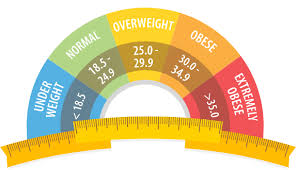
A key feature of any BMI Calculator is its ability to classify the result into categories.
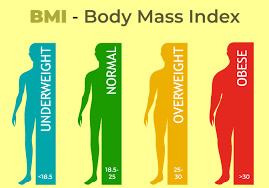
Standard BMI categories
- Underweight (BMI < 18.5)
- Normal weight (BMI 18.5–24.9)
- Overweight (BMI 25–29.9)
- Obese (BMI 30 and above)
Benefits of classification
- Helps users understand their health status
- Provides clear interpretation of results
- Encourages healthier lifestyle choices
- Acts as a quick health indicator
Example in practice
If a user falls into the “overweight” category, they can take steps like adjusting diet or increasing physical activity. This makes the tool not just informative but also actionable.
BMI Calculator
Result:
A good BMI calculator must be easy to use for everyone, regardless of technical knowledge.
Key elements of simplicity
- Clean and minimal design
- Clear input fields
- Simple instructions
- Easy navigation
Why it matters
- Reduces confusion for beginners
- Improves accessibility
- Encourages frequent usage
- Enhances user satisfaction
A complicated tool may discourage users, but a simple and intuitive design ensures that anyone can use the calculator without difficulty.
6. Mobile Responsiveness and Accessibility
In 2026, mobile usage dominates internet activity. A mobile-friendly BMI calculator ensures users can access it on any device.
Features of mobile responsiveness
- Adapts to different screen sizes
- Touch-friendly inputs
- Fast loading speed
- Smooth user experience
Why this is important
- Users can check BMI anytime, anywhere
- Suitable for on-the-go health tracking
- Improves usability across devices
Whether someone is at home, at the gym, or traveling, they can easily use the tool without any restrictions.
7. Data Privacy and Security
Health data is sensitive, and users expect their information to remain private. A reliable BMI calculator ensures data protection and privacy.
Why privacy matters
- Protects user information
- Builds trust in the platform
- Ensures safe usage
Key security features
- No storage of personal data
- Secure processing systems
- No sharing with third parties
User confidence
When users know their data is safe, they are more likely to use the tool repeatedly without hesitation.
8. Visual Results and Graphical Representation
Modern BMI calculators often include visual elements to make results easier to understand.
Types of visual features
- Color-coded BMI categories
- Progress bars
- Graphs and charts
- Visual indicators of health status
Benefits of visual results
- Easy to interpret results quickly
- Improves user understanding
- Enhances engagement
- Makes data more interactive
Example
A green color may indicate a healthy BMI, while red may indicate obesity. This visual approach makes the results more intuitive.
9. Additional Health Insights and Recommendations
Advanced BMI calculators provide more than just numbers. They offer additional health insights to guide users.
Common additional features
- Ideal weight range
- Suggested calorie intake
- Fitness recommendations
- Health improvement tips
Why this feature is powerful
- Provides actionable guidance
- Helps users achieve health goals
- Encourages better lifestyle choices
- Enhances overall usefulness of the tool
Example
If a user is underweight, the tool may suggest increasing calorie intake and following a balanced diet plan.
Conclusion
The BMI Calculator has evolved into a powerful and essential tool in modern health and fitness tracking. With advanced features such as instant calculation, high accuracy, multi-unit support, and personalized insights, it provides users with a comprehensive understanding of their health.
In 2026, these tools are not just simple calculators—they are intelligent health assistants that guide users toward better lifestyle choices. Whether you are a student, fitness enthusiast, or healthcare professional, a BMI calculator can play a vital role in maintaining and improving health.
By combining simplicity with advanced functionality, the BMI calculator continues to be one of the most useful and widely used digital health tools available today.
Want to know about "Brilliant Roman Number Converter in 2026"?