
AI Automation 2.0 is no longer a futuristic concept reserved for large technology firms. It has become a strategic necessity for startups, enterprises, and multinational corporations alike. From streamlining operations to enhancing customer experiences, AI-driven systems are redefining how modern organizations operate.
The digital economy is evolving at an unprecedented pace, and businesses that fail to adapt risk falling behind. In 2026 and beyond, the companies leading global markets are not simply digitized—they are intelligently automated.
AI Automation 2.0 represents a new phase in business innovation. It moves beyond basic task automation and introduces intelligent decision-making, predictive analytics, and self-optimizing systems. Instead of merely reducing manual effort, it empowers companies to operate smarter, faster, and more profitably. In this comprehensive guide, we will explore how AI Automation is shaping the future of smart business, its core benefits, implementation strategies, industry applications, and what lies ahead.
The Evolution of AI Automation 2.0
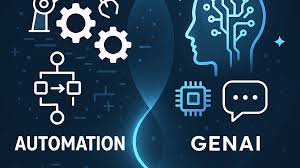
Automation has existed for decades in the form of mechanical systems and rule-based software. Traditional automation focused on repetitive tasks such as data entry, payroll processing, and inventory tracking. While these systems improved efficiency, they lacked adaptability.
AI Automation transforms this model by integrating machine learning, natural language processing, and advanced analytics. Instead of following static instructions, intelligent systems can:
- Learn from historical data
- Adapt to changing environments
- Predict outcomes
- Optimize workflows automatically
- Identify inefficiencies in real time
This evolution marks a shift from task automation to cognitive automation, where machines assist in analysis, strategy, and innovation.
Why AI Automation 2.0 Matters for Smart Business
The modern marketplace is driven by speed, personalization, and data accuracy. Customers expect instant responses, tailored recommendations, and seamless service experiences. Businesses must also manage increasing operational complexity, global competition, and economic uncertainty.
AI Automation provides solutions to these challenges by:
- Reducing operational costs
- Increasing productivity
- Enhancing customer satisfaction
- Improving decision-making accuracy
- Accelerating innovation cycles
Companies that integrate AI-driven systems gain a competitive edge by operating more efficiently and responding faster to market changes.
Core Components of AI Automation 2.0
To understand the power of AI Automation, it is essential to examine its foundational technologies.
1. Machine Learning Algorithms
Machine learning allows systems to analyze data patterns and improve performance over time. Businesses use it for:
- Sales forecasting
- Fraud detection
- Customer segmentation
- Inventory demand prediction
2. Natural Language Processing (NLP)
NLP enables machines to understand human language. Applications include:
- AI chatbots for customer support
- Automated email responses
- Voice assistants
- Sentiment analysis
3. Robotic Process Automation (RPA)
RPA handles repetitive digital tasks such as:
- Data extraction
- Invoice processing
- Form submissions
- Compliance reporting
When combined with AI capabilities, RPA evolves into intelligent process automation.
4. Predictive Analytics
Predictive systems analyze historical trends to forecast future outcomes. Businesses use predictive analytics for:
- Market trend analysis
- Customer churn prediction
- Risk assessment
- Strategic planning
Key Benefits of AI Automation 2.0 in Business
Increased Operational Efficiency
One of the most immediate advantages of AI Automation is efficiency improvement. Automated systems operate 24/7 without fatigue, reducing errors and delays. Tasks that once required hours can now be completed in minutes.
Cost Reduction
Automation lowers labor costs and minimizes costly human mistakes. Businesses can allocate resources more strategically, focusing on growth and innovation rather than routine operations.
Improved Decision-Making
AI systems analyze massive data sets quickly and provide actionable insights. This enables leaders to make informed decisions backed by real-time analytics.
Enhanced Customer Experience
AI-powered chatbots, personalized recommendations, and predictive support improve customer satisfaction. Faster responses and tailored services create stronger brand loyalty.
Scalability
AI Automation allows businesses to scale operations without proportionally increasing costs. Automated workflows adapt easily to higher demand levels.
AI Automation Across Industries
Retail and E-Commerce
Retailers use AI Automation for:
- Personalized product recommendations
- Inventory optimization
- Dynamic pricing strategies
- Automated customer service
These innovations increase sales and improve customer retention.
Healthcare
Healthcare providers leverage AI Automation for:
- Appointment scheduling
- Medical record management
- Diagnostic assistance
- Patient monitoring
Automation improves efficiency and enhances patient care.
Finance and Banking
Financial institutions implement AI-driven systems for:
- Fraud detection
- Risk analysis
- Credit scoring
- Automated compliance checks
This ensures security while maintaining operational speed.
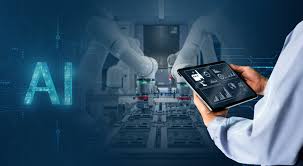
Manufacturing
Manufacturers benefit from:
- Predictive maintenance
- Quality control automation
- Supply chain optimization
- Production scheduling
These improvements reduce downtime and increase output.
Implementing AI Automation 2.0 Successfully
Adopting AI Automation requires careful planning and strategic execution.

Step 1: Identify Automation Opportunities
Businesses should assess processes that are repetitive, time-consuming, or prone to human error.
Step 2: Define Clear Objectives
Set measurable goals such as reducing processing time, increasing conversion rates, or lowering operational costs.
Step 3: Choose the Right Tools
Select platforms that align with business needs and integrate smoothly with existing systems.
Step 4: Train Employees
Employee training ensures smooth adoption and minimizes resistance to change.
Step 5: Monitor and Optimize
Continuous monitoring allows businesses to refine automated processes for maximum efficiency.
Challenges of AI Automation
While benefits are significant, challenges exist.
- Initial investment costs
- Data privacy concerns
- Integration complexities
- Workforce transition issues
- Ethical considerations
Addressing these challenges requires leadership commitment and transparent communication.
AI Automation 2.0 and Workforce Transformation
Contrary to fears of job displacement, AI Automation often transforms roles rather than eliminates them. Employees shift from repetitive tasks to strategic and creative responsibilities.
New job opportunities emerge in:
- AI system management
- Data analysis
- Cybersecurity
- Automation strategy development
Organizations that reskill employees will benefit most from AI adoption.
The Role of Data in AI Automation
Data is the fuel powering intelligent automation. Accurate, clean, and well-structured data ensures optimal system performance.
Businesses must focus on:
- Data governance policies
- Cybersecurity measures
- Ethical data usage
- Transparent AI practices
High-quality data leads to reliable insights and better automation outcomes.
AI Automation 2.0 and Competitive Advantage
Companies that embrace AI Automation early gain a significant edge. They operate faster, reduce costs, and adapt quickly to market changes.
Competitive benefits include:
- Faster product launches
- Real-time customer insights
- Improved supply chain management
- Enhanced brand reputation
Innovation becomes a continuous process rather than a one-time effort.
Future Trends in AI Automation
The future of AI Automation promises even greater advancements.
Hyperautomation
Hyperautomation combines AI, RPA, and advanced analytics to automate end-to-end business processes.
Autonomous Decision Systems
Future systems may make independent operational decisions based on real-time data analysis.
AI-Powered Cybersecurity
Automated threat detection systems will respond instantly to cyber risks.
Integration with IoT
Smart devices and sensors will provide real-time operational data for intelligent automation.
Ethical Considerations and Responsible AI
As AI Automation expands, ethical governance becomes essential. Businesses must ensure fairness, transparency, and accountability in automated systems.
Key considerations include:
- Avoiding algorithmic bias
- Protecting consumer privacy
- Ensuring explainable AI decisions
- Maintaining regulatory compliance
Responsible AI fosters trust and long-term sustainability.
Measuring ROI of AI Automation
To evaluate success, businesses should track:
- Productivity improvements
- Cost savings
- Customer satisfaction metrics
- Revenue growth
- Error reduction rates
Quantifiable results validate automation investments.
Building a Smart Business Ecosystem
AI Automation 2.0 is not about isolated tools—it’s about creating interconnected systems that communicate seamlessly. A smart business ecosystem integrates:
- CRM platforms
- Marketing automation tools
- Financial software
- Supply chain systems
- Customer support solutions
When these systems work together intelligently, operational synergy emerges.
Conclusion: The Future of Smart Business
AI Automation 2.0 is redefining the modern business landscape. It empowers organizations to operate with precision, agility, and intelligence. By integrating machine learning, predictive analytics, and intelligent workflows, companies can unlock new levels of productivity and innovation.
The future belongs to businesses that embrace automation strategically and ethically. AI Automation 2.0 goes beyond cost reduction—it transforms how companies think, operate, and grow. From enhanced customer experiences to data-driven decision-making, intelligent automation is shaping a smarter, more competitive global economy.
Organizations that act today will position themselves at the forefront of tomorrow’s digital revolution. The path forward is clear: smarter systems, faster operations, and more profitable outcomes powered by AI Automation 2.0.
Want To Know About “Amazon Ads 2.0: Smarter, Faster, More Profitable“?