Today, AI-Powered Personal Assistants are expanding into homes, workplaces, vehicles, healthcare systems, and even entire smart cities. This expansion marks a major transformation in how humans interact with machines.
Artificial intelligence is no longer confined to research labs or futuristic concepts. It has become a daily companion for millions of people around the world. For years, digital assistants inside smartphones helped users send messages, set reminders, search for information, and manage tasks. However, the technology has evolved far beyond mobile devices.
As digital ecosystems become more interconnected, users expect seamless experiences across multiple devices. They no longer want separate assistants for different environments. Instead, they demand continuity, intelligence, and personalization everywhere. The next generation of AI is designed to operate across platforms, adapting to user preferences and learning from behavior patterns in real time. This shift is redefining convenience, productivity, and automation on a global scale.
The Evolution of AI-Powered Personal Assistants
The journey of AI-driven assistants began with simple rule-based systems that followed basic commands. Early versions relied on keyword detection and limited programming. They could answer predefined questions but lacked contextual understanding. Over time, advancements in natural language processing and machine learning allowed assistants to interpret intent rather than just commands.
Modern AI systems now:
- Understand conversational language rather than rigid phrases
- Learn from user interactions to improve responses
- Analyze context such as location, time, and preferences
- Integrate with third-party applications and services
This evolution has allowed AI-Powered Personal Assistants to move beyond smartphones and become central components of connected digital ecosystems.
Smart Homes: The Rise of Ambient Intelligence
One of the most noticeable expansions of AI assistants is within smart homes. Intelligent systems now control lighting, temperature, security cameras, and appliances. Instead of manually adjusting devices, homeowners can rely on AI automation.
In smart home environments, AI-Powered Personal Assistants can:
- Adjust lighting based on time of day or mood
- Optimize energy usage to reduce electricity bills
- Monitor security feeds and detect unusual activity
- Control entertainment systems with voice commands
- Manage household schedules and reminders
What makes this transformation powerful is ambient intelligence. AI learns daily routines and automates tasks without constant user input. For example, the system may lower the thermostat at night, turn on coffee machines in the morning, or activate security systems when residents leave the house. This proactive assistance creates a seamless living experience.
AI in Vehicles and Smart Transportation
The automotive industry has embraced artificial intelligence rapidly. AI-Powered Personal Assistants in vehicles enhance both convenience and safety. Drivers can manage calls, navigation, music, and scheduling without taking their hands off the steering wheel.
Key capabilities include:
- Real-time traffic analysis and route optimization
- Voice-controlled dashboard management
- Predictive maintenance alerts
- Battery optimization for electric vehicles
- Integration with calendars for automatic navigation planning
As autonomous vehicles continue to develop, AI assistants will play an even greater role. They may coordinate travel routes, suggest rest stops, or manage in-car productivity tools. Vehicles are no longer just transportation tools; they are becoming intelligent digital environments.
Wearable Devices and Continuous Monitoring
Wearable technology has created another major expansion point for AI-Powered Personal Assistants. Smartwatches, fitness trackers, and augmented reality devices now rely heavily on AI algorithms.
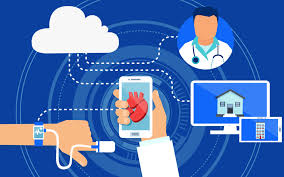
These systems provide:
- Real-time health tracking
- Sleep analysis and improvement suggestions
- Heart rate and oxygen monitoring
- Stress detection insights
- Activity recommendations based on fitness goals
Rather than simply collecting data, AI transforms information into actionable advice. For example, if a wearable device detects irregular sleep patterns, the assistant may suggest adjusting bedtime routines. In professional environments, wearable AI can deliver meeting reminders or translate conversations instantly.
Workplace Automation and Productivity Enhancement
Businesses are increasingly integrating AI assistants into their operations. In corporate settings, AI-Powered Personal Assistants streamline workflows and reduce manual tasks.
They can:
- Schedule meetings automatically
- Draft and summarize emails
- Generate data reports instantly
- Transcribe and summarize meetings
- Provide project updates in real time
This automation improves efficiency while reducing administrative burdens. Employees can focus on strategic and creative work rather than repetitive tasks. AI also supports remote teams by ensuring seamless communication and task coordination.
Healthcare Transformation Through AI
Healthcare is experiencing a revolutionary shift due to intelligent automation. AI-Powered Personal Assistants support patients and medical professionals alike.
In healthcare applications, AI systems can:
- Monitor chronic conditions through wearable integration
- Send medication reminders
- Provide preliminary symptom analysis
- Schedule appointments automatically
- Alert emergency contacts when abnormal readings are detected
By delivering real-time insights, AI enhances patient care and accessibility. Telemedicine platforms also use AI to triage concerns and provide personalized recommendations. This technology reduces hospital workloads and improves healthcare efficiency worldwide.
Smart Cities and Public Infrastructure
The expansion of AI beyond personal devices extends into urban planning and public systems. Smart cities leverage AI-Powered Personal Assistants to manage infrastructure and services.
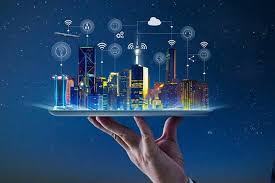
Applications include:
- Traffic signal optimization to reduce congestion
- Energy distribution management
- Environmental monitoring for pollution levels
- Public safety alerts and emergency response coordination
- Digital citizen service portals
Citizens may interact with AI to access government services, report issues, or receive public updates. The integration of AI into urban systems enhances sustainability and efficiency at scale.
The Role of Edge Computing and Privacy
As AI expands into multiple devices, data security becomes critical. Edge computing allows data processing directly on devices rather than relying solely on cloud servers. This reduces latency and enhances privacy protection.
Important privacy features include:
- On-device voice processing
- Encrypted data storage
- Biometric authentication
- Two-factor verification
- Transparent user consent policies
Balancing personalization with privacy remains a top priority for technology providers. Users expect convenience without compromising security.
Machine Learning and Context Awareness
Modern AI-Powered Personal Assistants rely heavily on advanced machine learning models. These systems analyze patterns, predict needs, and continuously improve.
Context awareness enables assistants to:
- Differentiate between personal and professional settings
- Adjust notification levels during meetings
- Provide location-based reminders
- Recommend services based on behavioral history
For example, an assistant may automatically suggest ordering food when it detects the user arriving home late from work. This level of personalization transforms AI into a proactive digital companion.
Economic and Social Impact
The widespread adoption of AI-Powered Personal Assistants will reshape global economies. Automation will reduce repetitive administrative tasks while creating demand for AI specialists, cybersecurity professionals, and data scientists.
Socially, AI assistants enhance accessibility for individuals with disabilities. Voice navigation, real-time captioning, and smart translation tools improve inclusivity. Educational institutions are also leveraging AI tutoring systems to provide personalized learning experiences.
Challenges and Ethical Considerations
Despite the benefits, AI integration raises ethical concerns. Key challenges include:
- Data ownership disputes
- Algorithmic bias
- Overdependence on automation
- Transparency in decision-making
Responsible development and regulatory frameworks are essential to ensure fair and ethical AI deployment. Governments and technology companies must collaborate to build trust in intelligent systems.
The Future of AI-Powered Personal Assistants
The next generation of AI will likely focus on deeper emotional intelligence and multimodal interaction. Future assistants may combine:
- Voice recognition
- Facial expression analysis
- Gesture control
- Augmented reality overlays
- Predictive behavioral modeling
Instead of reacting to commands, AI-Powered Personal Assistants will anticipate needs before users even articulate them. This shift toward predictive intelligence represents the next frontier of digital transformation.
Imagine entering your home and having lighting adjust automatically, music start playing based on your mood, and your schedule for the next day summarized without asking. This is not science fiction—it is the direction AI technology is heading.
Conclusion
AI-Powered Personal Assistants have moved far beyond smartphones. They now operate across smart homes, vehicles, workplaces, healthcare systems, wearable devices, and urban infrastructure. By combining machine learning, cloud computing, and edge processing, these intelligent systems provide personalized, proactive, and seamless experiences.
The future of AI lies in creating environments where technology works quietly in the background, enhancing daily life without friction. As adoption continues to rise, AI-Powered Personal Assistants will redefine productivity, convenience, and human-machine collaboration.
Rather than replacing human intelligence, these systems amplify it. They enable smarter decisions, faster communication, improved health monitoring, and more efficient workflows. The era beyond smartphones has begun, and AI-driven ecosystems are shaping a smarter, more connected world.
Want to know about “New Crypto Cards Is Earning Global Acclaim in 2026“?