
The digital advertising landscape is evolving rapidly, and e-commerce platforms are at the center of this transformation. Among them, Amazon Ads has emerged as one of the most powerful advertising ecosystems in the world. With millions of active buyers searching for products daily, Amazon offers brands and sellers unmatched access to high-intent audiences. As we move deeper into 2026, the concept of “Amazon Ads 2.0” represents a smarter, faster, and more profitable era of advertising driven by automation, artificial intelligence, and data precision.
Amazon is no longer just a marketplace; it is a sophisticated advertising engine powered by advanced algorithms and consumer insights. Sellers who understand how to leverage Amazon Ads. effectively can scale faster, increase profitability, and build long-term brand visibility. This article explores how Amazon Ads 2.0 is transforming e-commerce marketing and how businesses can maximize results in this new era.
The Evolution of Amazon Ads.
When Amazon first introduced advertising solutions, the system primarily focused on basic pay-per-click (PPC) campaigns. Sellers would bid on keywords and compete for placement in search results. Over time, the platform expanded its offerings to include display ads, video ads, brand stores, and off-Amazon placements.
Today, Amazon Ads integrates advanced machine learning models to analyze shopper behavior, purchase history, and browsing patterns. The system continuously optimizes ad placements to match products with the most relevant customers. This evolution has turned Amazon’s advertising platform into a high-performance marketing ecosystem capable of delivering measurable returns.
Key advancements include:
- Automated bidding strategies
- AI-driven audience targeting
- Cross-device tracking
- Real-time performance analytics
- Advanced attribution modeling
Amazon Ads 2.0 is not just about visibility; it’s about intelligent visibility.
Why Amazon Ads 2.0 Is Smarter
The intelligence behind Amazon Ads comes from data. Amazon collects enormous amounts of consumer information, including search behavior, purchase frequency, product preferences, and seasonal trends. This data allows advertisers to reach customers at the right moment in the buying journey.
Smarter Targeting Capabilities
Modern campaigns offer multiple targeting options, including
- Keyword targeting
- Product targeting
- Category targeting
- Behavioral audience targeting
- Retargeting strategies
Instead of guessing what customers want, sellers can rely on predictive insights. AI algorithms analyze millions of interactions to forecast which users are most likely to convert.
AI-Powered Optimization
Automation tools allow advertisers to:
- Adjust bids dynamically
- Pause underperforming keywords
- Increase budgets on high-converting campaigns
- Optimize placements automatically
This reduces manual workload while improving efficiency. The smarter system ensures that every advertising dollar works harder.
Why Amazon Ads 2.0 Is Faster
Speed is critical in e-commerce. Trends change quickly, competitors launch new products, and consumer behavior shifts constantly. Amazon Ads provides rapid campaign setup and immediate exposure to high-intent shoppers.
Faster Campaign Launch
With intuitive dashboards and automation tools, sellers can:
- Launch campaigns within minutes
- Duplicate successful campaigns quickly
- Access instant performance metrics
- Test new creatives in real time
Real-Time Data Analysis
Unlike traditional advertising channels, Amazon Ads delivers immediate performance insights. Sellers can track impressions, clicks, conversions, and return on ad spend (ROAS) instantly. This allows for fast decision-making and agile strategy adjustments.
Speed combined with automation gives sellers a competitive advantage in crowded marketplaces.
Why Amazon Ads 2.0 Is More Profitable
Profitability is the ultimate goal of any advertising strategy. Amazon Ads supports revenue growth through precise targeting and measurable results.
High-Intent Traffic
One of the biggest advantages is buyer intent. Customers on Amazon are actively searching for products. This means:
- Higher conversion rates
- Lower acquisition costs
- Better return on ad spend
- Increased repeat purchases
Improved Attribution
Advanced reporting tools allow advertisers to understand:
- Which keywords drive sales
- Which campaigns generate the highest ROI
- How brand awareness impacts long-term growth
This transparency enables data-driven optimization and sustainable profitability.
Core Ad Formats in Amazon Ads 2.0
Understanding available formats is essential for maximizing results.

Sponsored Products
- Appear in search results
- Target specific keywords
- Drive immediate product visibility
Sponsored Brands
- Showcase brand logo and multiple products
- Increase brand awareness
- Direct traffic to custom storefronts
Sponsored Display
- Retarget interested shoppers
- Appear on and off Amazon
- Support brand recall
Video Ads
- Capture attention with visual storytelling
- Improve engagement rates
- Increase conversion potential
Using a mix of these formats enhances campaign performance and audience reach.
Data-Driven Strategy for Success
To succeed with Amazon Ads, sellers must adopt a strategic approach rather than relying solely on automation.
Essential Steps
- Conduct detailed keyword research
- Analyze competitor advertising strategies
- Monitor conversion rates closely
- Optimize product listings for relevance
- Continuously test ad creatives
Optimization is an ongoing process. Successful sellers treat advertising as an investment, not an expense.
The Role of AI in Amazon Ads 2.0
Artificial intelligence is central to Amazon’s advertising innovation. AI models analyze:
- Search intent
- Historical purchase behavior
- Product performance metrics
- Seasonal demand fluctuations
Machine learning ensures that ads reach the most relevant audience segments. This predictive capability increases efficiency and reduces wasted spending.
Budget Management and Cost Control
Effective budgeting is essential for profitability. Amazon Ads offers flexible budgeting tools that allow sellers to control spending.
Smart Budgeting Practices
- Start with conservative daily budgets
- Scale winning campaigns gradually
- Use negative keywords to reduce waste
- Monitor cost-per-click regularly
- Allocate more budget to top-performing products
Careful financial management ensures sustainable growth.
Common Mistakes to Avoid
Even with advanced tools, sellers may encounter challenges.
Common errors include:
- Ignoring keyword research
- Failing to optimize product listings
- Overbidding without analyzing margins
- Neglecting data review
- Relying solely on automatic campaigns
Avoiding these mistakes improves campaign performance and long-term success.
Amazon Ads and Brand Building
Beyond direct sales, Amazon Ads plays a major role in brand building. Sponsored Brand campaigns help businesses create recognition and trust among customers.
Benefits include:
- Increased brand visibility
- Higher customer loyalty
- Better repeat purchase rates
- Stronger competitive positioning
A comprehensive advertising strategy combines short-term sales with long-term brand development.
The Competitive Advantage of Early Adoption
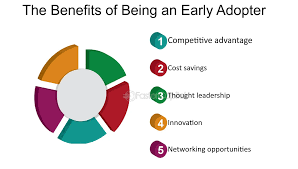
As more sellers join Amazon, competition intensifies. Early adopters of advanced advertising strategies gain a significant advantage.
By leveraging Amazon Ads effectively, businesses can:
- Dominate niche markets
- Capture market share quickly
- Establish authority within categories
- Build data insights before competitors
Proactive strategy leads to stronger positioning.
Future Trends in Amazon Ads
Looking ahead, Amazon Ads 2.0 will likely incorporate:
- Deeper AI automation
- Voice-search integration
- Augmented reality product previews
- Enhanced cross-platform advertising
- Advanced audience segmentation
As technology evolves, sellers must remain adaptable to maintain profitability.
Measuring Success in Amazon Ads Campaigns
Tracking performance is essential for continuous improvement.
Key performance indicators include:
- Click-through rate (CTR)
- Conversion rate
- Return on ad spend (ROAS)
- Advertising cost of sales (ACoS)
- Total sales growth
Regular performance analysis ensures strategic refinement.
Integrating Amazon Ads with Broader Marketing
Amazon Ads. should not operate in isolation. Successful brands integrate advertising efforts with:
- Social media campaigns
- Email marketing strategies
- Influencer collaborations
- Content marketing initiatives
Cross-channel synergy enhances overall brand visibility and customer engagement.
Final Thoughts: The Power of Amazon Ads 2.0
Amazon Ads 2.0 represents a smarter, faster, and more profitable era of digital marketing. By combining advanced AI, real-time analytics, and high-intent audience targeting, Amazon’s advertising ecosystem empowers sellers to achieve measurable growth.
Success depends on strategy, data analysis, and continuous optimization. Sellers who embrace innovation, leverage automation, and refine campaigns consistently will gain a powerful competitive edge.
In the evolving world of e-commerce, Amazon Ads is more than an advertising tool—it is a growth engine capable of transforming businesses. As technology continues to advance, those who adapt early and strategically will reap the greatest rewards.
The future of online selling is intelligent, automated, and performance-driven. And Amazon Ads 2.0 stands at the forefront of this transformation.
Want to know about “Cyber Attack Trends in 2026: What You Need to Know“?