Today, everything is accelerating at a pace never seen before. Why? Because AI Tools Changing Software Development are redefining what it means to write code, design systems, debug issues, and collaborate in teams.
The world of software development is undergoing one of the biggest transformations in history. For decades, developers learned new languages, frameworks, algorithms, and architectural patterns to build robust systems. For students and junior developers, AI Tools Changing Software Development act like 24/7 mentors.
Generative AI has moved from creating text and images to writing production-ready code, suggesting software designs, automating workflows, and optimizing processes. These tools are not just time-savers; they are reshaping careers and creating opportunities for developers to focus on higher-level tasks.
Understanding these tools has become essential for both aspiring and experienced software engineers. For students and junior developers, AI Tools Changing Software Development act like 24/7 mentors.
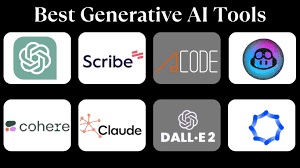
Why Generative AI Tools Matter in Software Development
Before we dive into the top tools, it’s crucial to understand the impact of AI Tools Changing Software Development and why every developer — from students to professionals — should pay attention.
1. Productivity Explosion
Traditional development cycles rely heavily on manual coding, testing, debugging, and documentation — all of which take time. Generative AI tools automate repetitive tasks like writing boilerplate code, generating test cases, creating documentation, and even suggesting architectural patterns. This lets developers focus on creative problem-solving instead of repetitive labor.
2. Higher Code Quality
With built-in intelligence, modern AI tools not only generate code but also analyze it for errors, inefficiencies, and security vulnerabilities. They provide suggestions for improvement, leading to cleaner, safer, and more efficient software.
3. Faster Learning Curve
For students and junior developers, AI Tools Changing Software Development act like 24/7 mentors. They can explain complex topics, provide step-by-step instructions, and instantly generate working code based on natural language prompts.
4. Better Collaboration
AI tools integrate with team workflows such as code review systems, issue trackers, and documentation platforms. They help maintain consistency across large codebases, assist non-technical stakeholders in understanding development status, and streamline team communication.
5. Innovation Acceleration
Modern challenges like real-time analytics, automated testing, continuous integration, and cloud orchestration require developers to think beyond code syntax. By automating mundane tasks, generative AI allows developers to innovate faster.
With this context in place, let’s explore the top 5 generative AI tools that are significantly changing software development. For students and junior developers, AI Tools Changing Software Development act like 24/7 mentors.
1. GitHub Copilot — AI Coding Assistant for Developers
What Is GitHub Copilot?
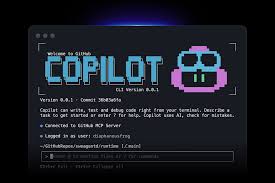
GitHub Copilot, developed by GitHub in partnership with OpenAI, is one of the most widely recognized AI Tools Changing Software Development. It functions like a context-aware coding companion. As you type, Copilot suggests lines of code, entire functions, or even complete modules based on your comments or partial code. For students and junior developers, AI Tools Changing Software Development act like 24/7 mentors.
Why Copilot Is Transformative
- Speed: Copilot speeds up coding by writing boilerplate and repetitive code.
- Contextual Understanding: It analyzes your code, comments, and open files to generate relevant suggestions.
- Multi-Language Support: Works with popular languages like Python, JavaScript, TypeScript, Go, Ruby, Java, and more.
- IDE Integration: Seamlessly integrates with Visual Studio Code and other popular editors.
Use Cases for Developers
- Generating Methods from Comments: Write a descriptive comment like
// Calculate payment scheduleand Copilot suggests the entire function. - Completing Code Snippets: It fills in large blocks of code instantly.
- Learning Patterns: Suggests modern design patterns, idioms, and best practices.
- Debugging Assistance: Offers alternate solutions or optimized code.
Impact on Software Development
GitHub Copilot is a core example of AI Tools Changing Software Development because it reduces the time developers spend on repetitive coding, boosts creative problem-solving, and provides learning support for new programmers.
2. ChatGPT (Plus/Enterprise) — Conversational Code Generator

What Is ChatGPT?
ChatGPT from OpenAI is a conversational generative AI that can answer questions, explain concepts, write code, debug errors, and help architects design systems. When used with developer prompts, ChatGPT becomes one of the most versatile AI Tools Changing Software Development.
Features That Matter
- Natural Language Understanding: You can ask questions in plain English and get useful results.
- Multi-Purpose Coding: Generates code snippets, SQL queries, unit tests, and REST APIs.
- Debugging Assistant: Analyzes error messages and suggests fixes.
- Education Tool: Explains complex concepts on demand.
How Developers Use It
Software engineers use ChatGPT to:
- Generate starter templates for web apps
- Convert pseudocode into actual code
- Explain legacy codebases with natural language comments
- Create test cases and suggestions for edge scenarios
Example Prompt
Create a Node.js API to handle user authentication using JWT, with routes for signup, login, and token refresh.
ChatGPT generates a full, working project structure with explanations — saving hours of manual setup.
Impact on Software Development
ChatGPT is more than a chatbot — it’s a truly flexible coding co-pilot. Its natural language approach means developers spend less time with documentation and more time building.
3. Tabnine — AI Code Completion for Teams

What Is Tabnine?
Tabnine is an AI-powered code completion tool designed to optimize and accelerate developer workflows. Unlike many other tools, Tabnine is particularly strong in team environments and enterprise contexts. It auto-suggests context-aware code completions and learns from your project. For students and junior developers, AI Tools Changing Software Development act like 24/7 mentors.
Why It’s an Essential AI Tool
- Team Learning: Tabnine adapts to your codebase and writing styles.
- Security-Focused: Offers privacy-aware suggestions suitable for enterprise use.
- Fast Code Completion: Generates accurate predictions that speed up coding.
- Multi-IDE Support: Works with all major IDEs and languages.
Unique Advantages
- Smart Snippets: Generates block-level code with minimal typing.
- Project-Specific Intelligence: Tailors suggestions based on your existing code.
- Team Consistency: Helps maintain consistent style across teams.
Role in Modern Development
Tabnine is one of the AI Tools Changing Software Development by making teams more productive and consistent. It reduces onboarding time for new developers and helps existing teams maintain high code quality.
4. Replit AI — AI for Rapid Prototyping and Collaborative Coding
What Is Replit AI?
Replit is a cloud-based development environment with built-in generative AI capabilities. Its AI assists with coding, debugging, documentation, and even live collaboration. As an educational and embedded development platform, Replit serves a wide range of users from students to professional teams.
Core Features
- AI-Assisted Development: Generates working code and fixes issues.
- Live Collaboration: Multiple developers can code together in real time.
- Instant Deployment: Runs code instantly in the cloud.
- Multi-Language Support: Supports Python, JavaScript, C++, HTML/CSS, and more.
How IT Students and Developers Use It
- Learning new languages with AI guidance
- Building full apps without local setup
- Testing algorithms and services instantly
- Trying prototypes before committing to frameworks
Why Replit AI Is Influential
Replit is carving out a niche as one of the most user-friendly AI Tools Changing Software Development, especially for learners and teams that want a fast feedback loop. It combines cloud development with generative AI assistance — reducing friction and making experimentation easier than ever.
5. DeepCode (Now Snyk Code) — AI-Driven Code Quality and Security
What Is DeepCode / Snyk Code?
Originally known as DeepCode, Snyk Code is an AI-powered code analysis and vulnerability detection tool. It examines codebases for security issues, bugs, and performance problems using advanced machine learning models trained on millions of repositories.
Core Capabilities
- Intelligent Security Scanning: Detects vulnerabilities and suggests fixes.
- Static Analysis: Reviews code without execution.
- Automated Alerts: Notifies teams of new issues as code changes.
- Policy Enforcement: Helps teams maintain compliance and best practices.
Use Cases in Development
- Security scanning for open-source dependencies
- Code review automation
- Suggesting safer code alternatives
- Enforcing team code quality standards
Importance in Modern Workflows
Security is a top priority for software development teams, and DeepCode/Snyk is one of the most impactful AI Tools Changing Software Development by reducing the risk of breaches and bugs.
How AI Tools Are Changing Software Development Workflows
Understanding individual tools is important, but seeing how they affect the software development lifecycle (SDLC) gives a clearer picture of why these tools matter. For students and junior developers, AI Tools Changing Software Development act like 24/7 mentors.
Planning and Design
In traditional workflows, design documents, diagrams, and architecture reviews require heavy manual effort. Today:
- ChatGPT helps outline system designs and APIs.
- Copilot assists with boilerplate skeletons.
- Replit prototypes systems instantly.
This means developers spend less time designing from scratch and more time refining solutions.
Coding and Implementation
Components like loops, classes, and functions used to be written manually. Now:
- Copilot and Tabnine generate contextual code.
- ChatGPT offers complete templates based on descriptions.
- Replit provides instant cloud execution.
Developers write high-value logic faster, reducing errors and improving velocity.
Testing and Debugging
Creating tests, finding bugs, and fixing issues used to be manual and error-prone:
- ChatGPT generates unit tests.
- Copilot suggests test scenarios.
- Snyk Code/DeepCode finds vulnerabilities.
This results in higher quality software with fewer defects in production. For students and junior developers, AI Tools Changing Software Development act like 24/7 mentors.
Deployment and Maintenance
AI tools now help automate:
- CI/CD pipelines
- Code change suggestions
- Security alert systems
- Update forecasts
All of this helps reduce time to release and improve long-term stability.
Best Practices for Using AI Tools in Software Development
To maximize the value of AI Tools Changing Software Development, follow these best practices:
1. Treat Them as Assistants — Not Replacements
AI accelerates development, but human oversight remains essential. Always verify AI-generated code.
2. Prioritize Code Quality
Use AI to generate and refactor code, but integrate linters, tests, and peer reviews before merging changes.
3. Learn the Underlying Concepts
AI tools should accelerate learning, not replace it. Understanding core algorithms, design patterns, and fundamentals still matters.
4. Embrace Collaboration
Combine AI suggestions with team feedback to improve consistency and standards.
5. Secure the Pipeline
Use tools like Snyk Code early in the pipeline to catch vulnerabilities before deployment.
Challenges and Considerations
Despite their power, AI tools are not perfect. Here are common areas developers should watch out for:
- Incorrect or non-optimized suggestions
- Over-reliance leading to weaker fundamentals
- Security and privacy concerns in proprietary code
- Licensing or usage limitations in enterprise environments
By combining AI intelligence with human expertise, teams can build resilient, scalable, and secure applications. To maximize the value of AI Tools Changing Software Development, follow these best practices.
The Future of AI Tools in Software Development
The rise of generative AI marks a new era in software creation. Tomorrow’s tools will be even more collaborative, more context-aware, and deeply integrated with developer platforms. Expect trends like:
- Code generation through voice commands
- Auto-optimization based on performance metrics
- Instant cloud-native deployments
- Predictive code suggestions powered by project history
- Human-AI hybrid development environments
As these tools evolve, the line between human creativity and machine assistance will become even more seamless.
Final Thoughts
AI isn’t here to replace developers — it’s here to empower them. The rise of generative AI means that developers now have partners in their workflow. Tools like GitHub Copilot, ChatGPT, Tabnine, Replit AI, and DeepCode/Snyk are not just accelerating productivity — they are fundamentally transforming how software is designed, written, tested, and maintained.
Understanding and mastering the AI Tools Changing Software Development is no longer optional. It is a strategic advantage that every developer, student, and tech professional must embrace to stay relevant in an evolving digital landscape. For students and junior developers, AI Tools Changing Software Development act like 24/7 mentors.
By integrating these tools thoughtfully into your workflow, you can write better code, build faster, and innovate with confidence.
If you want to know about “Best 5 AI Tools for IT Students to Learn” Try this.