
Understanding the latest cyber attack trends is essential for organizations that want to stay resilient in an increasingly hostile digital environment. From AI-driven malware to ransomware-as-a-service, the tactics used by cybercriminals are becoming more sophisticated and harder to detect. This article explores the most important cyberattack trends in 2026, their impact on global security, and what businesses and individuals must do to protect themselves.
The digital world is evolving at an unprecedented pace, and so are the threats that come with it. As businesses, governments, and individuals rely more heavily on connected systems, the risk of a cyber attack continues to rise. In 2026, cyber threats are no longer isolated incidents carried out by lone hackers. They are highly organized, technologically advanced, and often state-sponsored operations targeting global infrastructure, enterprises, and personal data.
The Evolving Landscape of Cyber Attack Threats

The modern Cyber Attack is no longer limited to simple phishing emails or outdated viruses. Attackers now leverage artificial intelligence, automation tools, and deepfake technologies to infiltrate systems. As digital transformation accelerates worldwide, the attack surface expands significantly.
Several factors contribute to the rising complexity of Cyber Attack incidents:
- Rapid cloud adoption without proper security frameworks
- Increased use of Internet of Things (IoT) devices
- Remote and hybrid work environments
- Expansion of AI-powered automation systems
- Global geopolitical tensions influencing cyber warfare
Organizations must recognize that cybersecurity is not just an IT issue—it is a core business priority.
1. AI-Powered Cyber Attack Techniques
Artificial intelligence has become a double-edged sword. While companies use AI to strengthen defenses, attackers are also leveraging it to launch more precise and automated Cyber Attack campaigns.
In 2026, AI-driven threats include:
- Automated vulnerability scanning at massive scale
- AI-generated phishing emails that mimic human writing
- Deepfake voice and video scams targeting executives
- Adaptive malware that changes behavior to avoid detection
These intelligent attack strategies can bypass traditional security systems by learning from failed attempts and adjusting tactics in real time. Businesses must adopt AI-powered security solutions to counter AI-driven Cyber Attack strategies.
2. Ransomware Evolution and Double Extortion
Ransomware remains one of the most damaging forms of Cyber Attack in 2026. However, its execution has evolved significantly. Attackers now employ double or even triple extortion tactics.
Modern ransomware operations often include:
- Encrypting critical data
- Stealing sensitive information before encryption
- Threatening public release of confidential files
- Targeting customers and partners of the victim organization
This layered strategy increases pressure on victims to pay ransom demands. Industries such as healthcare, finance, and critical infrastructure remain prime targets due to their reliance on uninterrupted operations.
3. Supply Chain Cyber Attack Incidents
Supply chain vulnerabilities have become a major entry point for cybercriminals. Instead of attacking a large organization directly, hackers infiltrate smaller vendors or software providers connected to the main target.
A supply chain Cyber Attack may involve:
- Compromised software updates
- Third-party service provider breaches
- Malicious code injected into trusted applications
- Cloud service vulnerabilities
These attacks can spread rapidly across multiple organizations, causing widespread disruption. Businesses must conduct thorough vendor risk assessments and implement strict security standards across their ecosystems.
4. Cloud Security Vulnerabilities
Cloud computing has revolutionized business operations, but misconfigurations and weak access controls create opportunities for Cyber Attack incidents. In 2026, cloud infrastructure remains a prime target for threat actors.
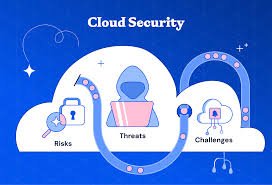
Common cloud-related threats include:
- Misconfigured storage buckets exposing sensitive data
- Stolen API keys and access tokens
- Privilege escalation attacks
- Insecure multi-cloud environments
Organizations must implement zero-trust architecture and continuous monitoring to prevent cloud-based Cyber Attack scenarios.
5. IoT and Smart Device Exploitation
The proliferation of IoT devices has significantly expanded the attack surface. Smart appliances, industrial sensors, and connected medical devices can become entry points for attackers.
An IoT-related Cyber Attack may involve:
- Botnets formed from compromised devices
- Unauthorized access to industrial systems
- Data interception from unsecured networks
- Manipulation of smart infrastructure
Securing IoT ecosystems requires strong encryption, firmware updates, and network segmentation strategies.
6. Deepfake and Social Engineering Attacks
Social engineering remains a powerful Cyber Attack tactic, but deepfake technology has elevated its effectiveness. Attackers can now replicate voices and faces to impersonate executives or public officials.
Deepfake-driven attacks may include:
- Fraudulent financial transfer requests
- Fake video conferences
- Manipulated media used for misinformation campaigns
Organizations must implement multi-factor verification processes for sensitive transactions to mitigate these threats.
7. Nation-State and Geopolitical Cyber Warfare
In 2026, Cyber Attack operations increasingly reflect geopolitical tensions. Nation-state actors target infrastructure such as power grids, financial institutions, and communication networks.
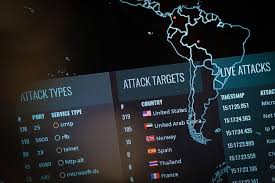
These attacks are often:
- Highly sophisticated and well-funded
- Strategically timed during political events
- Designed to disrupt economies or influence public opinion
Critical infrastructure protection has become a global security priority.
8. Insider Threats and Human Error
Not all Cyber Attack incidents originate externally. Insider threats—whether malicious or accidental—remain a significant risk.
Common insider-related risks include:
- Phishing victims within organizations
- Weak password practices
- Unauthorized data sharing
- Disgruntled employees leaking information
Employee awareness training and strict access controls are essential defenses.
9. Quantum Computing Threat Potential
Although still developing, quantum computing poses a future Cyber Attack risk. Quantum systems could potentially break traditional encryption algorithms.
Organizations must begin preparing for:
- Post-quantum cryptography adoption
- Encryption upgrades
- Long-term data protection strategies
Proactive planning ensures resilience against emerging technological threats.
10. Regulatory and Compliance Pressure
Governments worldwide are introducing stricter cybersecurity regulations. Failure to protect against a Cyber Attack can result in heavy fines and legal consequences.

Key compliance areas include:
- Data privacy laws
- Incident reporting requirements
- Mandatory security audits
- Breach notification timelines
Organizations must align security strategies with evolving legal frameworks.
The Financial Impact of a Cyber Attack
The cost of a Cyber Attack extends beyond ransom payments. Businesses may face:
- Operational downtime
- Reputation damage
- Customer trust erosion
- Legal penalties
- Increased insurance premiums
Cyber resilience is no longer optional—it is an investment in business continuity.
Strategies to Prevent Cyber Attack Incidents
To mitigate risks in 2026, organizations should implement comprehensive security frameworks.
Effective prevention strategies include:
- Zero-trust security architecture
- Multi-factor authentication
- Continuous threat monitoring
- Employee cybersecurity training
- Regular penetration testing
- Backup and disaster recovery planning
Layered defense systems provide the best protection against evolving Cyber Attack tactics.
The Role of Artificial Intelligence in Defense
Just as attackers use AI, cybersecurity professionals deploy AI-driven tools for threat detection. These systems analyze network traffic, detect anomalies, and respond to threats in real time.
AI-based defense mechanisms can:
- Identify suspicious patterns
- Block malicious IP addresses
- Automate incident response
- Reduce false positives
The cybersecurity battlefield increasingly relies on intelligent automation.
Cybersecurity Culture and Leadership
Preventing a Cyber Attack requires more than technical solutions. Leadership must prioritize cybersecurity as part of organizational culture.

Executives should:
- Allocate adequate budgets for security
- Promote awareness programs
- Conduct regular risk assessments
- Integrate cybersecurity into business strategy
A strong security culture enhances resilience.
Looking Ahead: The Future of Cyber Attack Trends
The threat landscape will continue evolving beyond 2026. Emerging technologies such as AI, blockchain, and edge computing will introduce new security challenges and opportunities.
Future Cyber Attack trends may include:
- AI-versus-AI cyber warfare
- Advanced biometric spoofing
- Attacks targeting augmented reality systems
- Exploitation of decentralized finance platforms
Organizations that remain adaptable and proactive will navigate these changes successfully.
Conclusion
Cybersecurity in 2026 is more complex than ever before. The modern Cyber Attack is sophisticated, automated, and often globally coordinated. From ransomware evolution and supply chain vulnerabilities to AI-driven phishing and geopolitical cyber warfare, threats continue to expand in scale and impact.
Businesses must shift from reactive defense to proactive resilience. By implementing zero-trust architectures, leveraging AI-driven security tools, and fostering a strong cybersecurity culture, organizations can reduce the risk of devastating incidents.
The digital future promises innovation and growth, but it also demands vigilance. Understanding Cyber Attack trends and preparing accordingly is essential for safeguarding data, protecting infrastructure, and maintaining trust in an interconnected world.
Want to know about”New AI-Powered Personal Assistants admires 2026“?