In 2026, a new wave of intelligent advertising is dominating the global marketing ecosystem: ChatGPT Ads. The digital advertising industry has undergone dramatic transformations over the past decade. From search engine marketing to social media promotions and AI-powered personalization, every innovation has reshaped how brands connect with audiences.
As artificial intelligence becomes deeply integrated into daily life, conversational platforms are emerging as powerful marketing channels. Businesses are no longer limited to static banner ads or traditional pay-per-click campaigns. Instead, they are leveraging AI-driven conversations to promote products, educate customers, and drive conversions in more personalized ways than ever before.
This comprehensive guide explores how ChatGPT Ads are transforming digital marketing, why businesses are investing heavily in them, their advantages, challenges, monetization models, and what the future holds for conversational advertising.
The Evolution of Digital Advertising
To understand the rise of conversational AI advertising, it is important to look at how digital marketing evolved.
In the early 2000s, banner ads dominated websites. Later, search engine advertising revolutionized targeting by displaying ads based on user queries. Social media platforms then introduced behavioral targeting using user interests and activity patterns.
By 2026, artificial intelligence has become the backbone of marketing automation. Consumers expect personalized experiences rather than generic promotions. Traditional ads often feel intrusive, while AI-powered conversations feel interactive and helpful.
This shift toward engagement-based marketing paved the way for ChatGPT Ads to emerge as a powerful alternative to conventional advertising.
What Are ChatGPT Ads?
ChatGPT Ads represent a new generation of conversational advertisements integrated within AI-driven chat platforms. Unlike traditional ads that interrupt user experiences, these ads are embedded within contextual conversations.
Instead of showing random banners, AI systems analyze user intent and provide relevant product suggestions naturally within discussions. This makes the advertising experience more organic and less disruptive.
For example, if a user asks about improving website speed, the AI might suggest a trusted hosting service as part of its response. This contextual recommendation model significantly increases relevance and conversion rates.
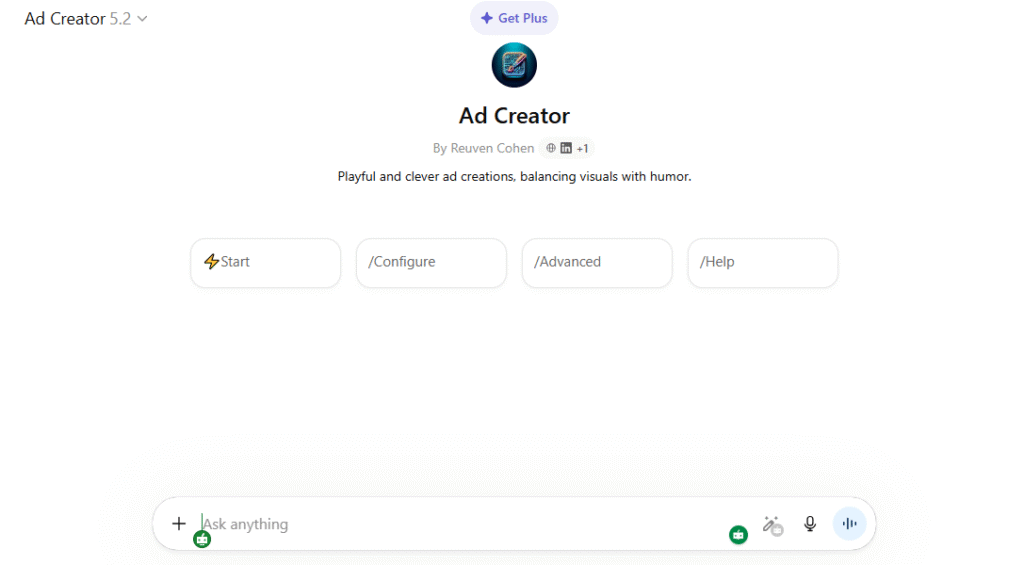
Why ChatGPT Ads Are Growing Rapidly in 2026
Several global trends are driving the rapid expansion of ChatGPT Ads worldwide.
1. Shift Toward Conversational Interfaces
Users increasingly prefer conversational interfaces over traditional browsing. Chat-based search, AI assistants, and smart devices have changed how information is accessed. Businesses follow user behavior, and advertising naturally evolves alongside it.
2. Higher Engagement Rates
Conversational ads are more engaging because they respond directly to user queries. Unlike static ads, they adapt dynamically to individual needs, creating stronger emotional and cognitive connections.
3. Advanced AI Personalization
AI systems analyze intent, context, and previous interactions to deliver highly targeted recommendations. This precision increases relevance and reduces wasted impressions.
4. Reduced Ad Fatigue
Consumers are overwhelmed by repetitive ads on social media and search engines. Conversational advertising feels less aggressive, making it more acceptable and effective.
Benefits of ChatGPT Ads for Businesses
The adoption of ChatGPT Ads offers significant advantages for companies of all sizes.
Enhanced Targeting Accuracy
AI analyzes context in real time, ensuring advertisements align closely with user needs. This improves click-through rates and conversion performance.
Cost Efficiency
Because ads are highly targeted, businesses spend less on irrelevant impressions. Marketing budgets become more efficient.
Improved Customer Experience
Conversational ads provide helpful information instead of disruptive pop-ups. This enhances brand perception and customer trust.
Global Reach
AI platforms operate worldwide, enabling brands to reach international audiences without traditional geographic limitations.
Data-Driven Optimization
Real-time performance metrics allow continuous campaign refinement and optimization.
How ChatGPT Ads Compare to Traditional Advertising
Traditional digital advertising relies heavily on impressions and click-based metrics. While effective, it often lacks contextual intelligence.
Conversational advertising shifts focus from interruption to assistance. Instead of competing for attention, it integrates naturally within meaningful discussions.
This model aligns better with modern consumer expectations, which prioritize value and personalization.
Industries Benefiting Most from ChatGPT Ads
Several industries are experiencing rapid gains from conversational marketing.
E-Commerce
Product recommendations embedded within AI conversations increase purchasing decisions.
SaaS and Technology
Software companies leverage contextual advertising to demonstrate product relevance during problem-solving discussions.
Education and Online Courses
Educational platforms promote relevant courses based on user inquiries.
Financial Services
Banks and fintech companies provide tailored product suggestions aligned with user financial goals.
Healthcare and Wellness
Health-related brands share appropriate product information within informative conversations.
Monetization Models Behind ChatGPT Ads
The monetization framework of conversational advertising differs slightly from traditional platforms.
Cost-Per-Click (CPC)
Businesses pay when users interact with sponsored suggestions.
Cost-Per-Conversion (CPA)
Payment is tied directly to successful sales or sign-ups.
Sponsored Recommendations
Brands pay for prioritized placement within AI-generated responses.
Subscription Advertising Packages
Large enterprises purchase monthly promotional packages integrated into conversational ecosystems.
These flexible models make ChatGPT Ads accessible to both startups and established corporations.
Challenges and Ethical Considerations
While conversational advertising offers many advantages, it also presents challenges.
Transparency
Users must clearly understand when a suggestion is sponsored. Ethical advertising requires transparency to maintain trust.
Data Privacy
AI systems rely on contextual analysis. Ensuring user privacy and regulatory compliance remains essential.
Algorithm Bias
Proper oversight is needed to prevent biased or misleading promotional content.
Over-Commercialization
Excessive advertising integration could reduce user trust if not carefully managed.
Responsible implementation is crucial for long-term sustainability.
The Role of AI in Optimizing ChatGPT Ads
Artificial intelligence continuously improves ad performance through:
- Intent analysis
- Sentiment detection
- Real-time behavioral adaptation
- Predictive modeling
- Automated A/B testing
Machine learning algorithms refine targeting precision over time, increasing effectiveness.
Global Adoption Trends in 2026
North America and Europe lead adoption due to strong AI infrastructure. However, Asia-Pacific markets are rapidly expanding conversational advertising ecosystems.
Emerging economies are embracing AI-powered marketing due to mobile-first user behavior and growing digital penetration.
Small businesses particularly benefit from affordable and automated AI advertising tools.
Impact on SEO and Content Marketing
Conversational advertising is reshaping SEO strategies. Businesses now optimize content for AI-driven responses rather than just search engine rankings.
High-quality, authoritative content increases the likelihood of being referenced within AI conversations.
Brands are focusing more on trust signals, structured data, and context relevance.
How Businesses Can Prepare
To leverage ChatGPT Ads effectively, businesses should:
- Create high-quality, authoritative content.
- Optimize product descriptions for contextual relevance.
- Maintain transparent advertising disclosures.
- Monitor performance analytics consistently.
- Align marketing messages with user intent.
Strategic planning ensures maximum return on investment.
Future Outlook Beyond 2026
The future of conversational advertising appears highly promising. AI systems will become more sophisticated, delivering even deeper personalization.
Voice-based AI assistants may integrate conversational ads seamlessly within spoken interactions.
Augmented reality and virtual environments could combine immersive experiences with AI-driven marketing suggestions.
As consumer expectations evolve, brands must prioritize helpfulness over aggressive selling.
Final Thoughts
The rise of ChatGPT Ads marks a significant milestone in the evolution of digital marketing. Businesses are shifting from interruption-based strategies to conversation-driven engagement.
This transformation aligns with modern consumer preferences for personalization, transparency, and value-driven interactions.
Companies that adapt early to conversational advertising will gain competitive advantages in targeting accuracy, cost efficiency, and customer trust.
As artificial intelligence continues reshaping communication, conversational advertising will likely become a standard marketing channel worldwide.
In 2026 and beyond, brands that integrate intelligence, ethics, and personalization into their advertising strategies will thrive in the rapidly evolving digital ecosystem.
The era of static ads is gradually fading. The future belongs to interactive, AI-powered engagement — and conversational marketing stands at the forefront of this revolution.
Want to know about the “Top micro vs. macro niches that transform 2026“?