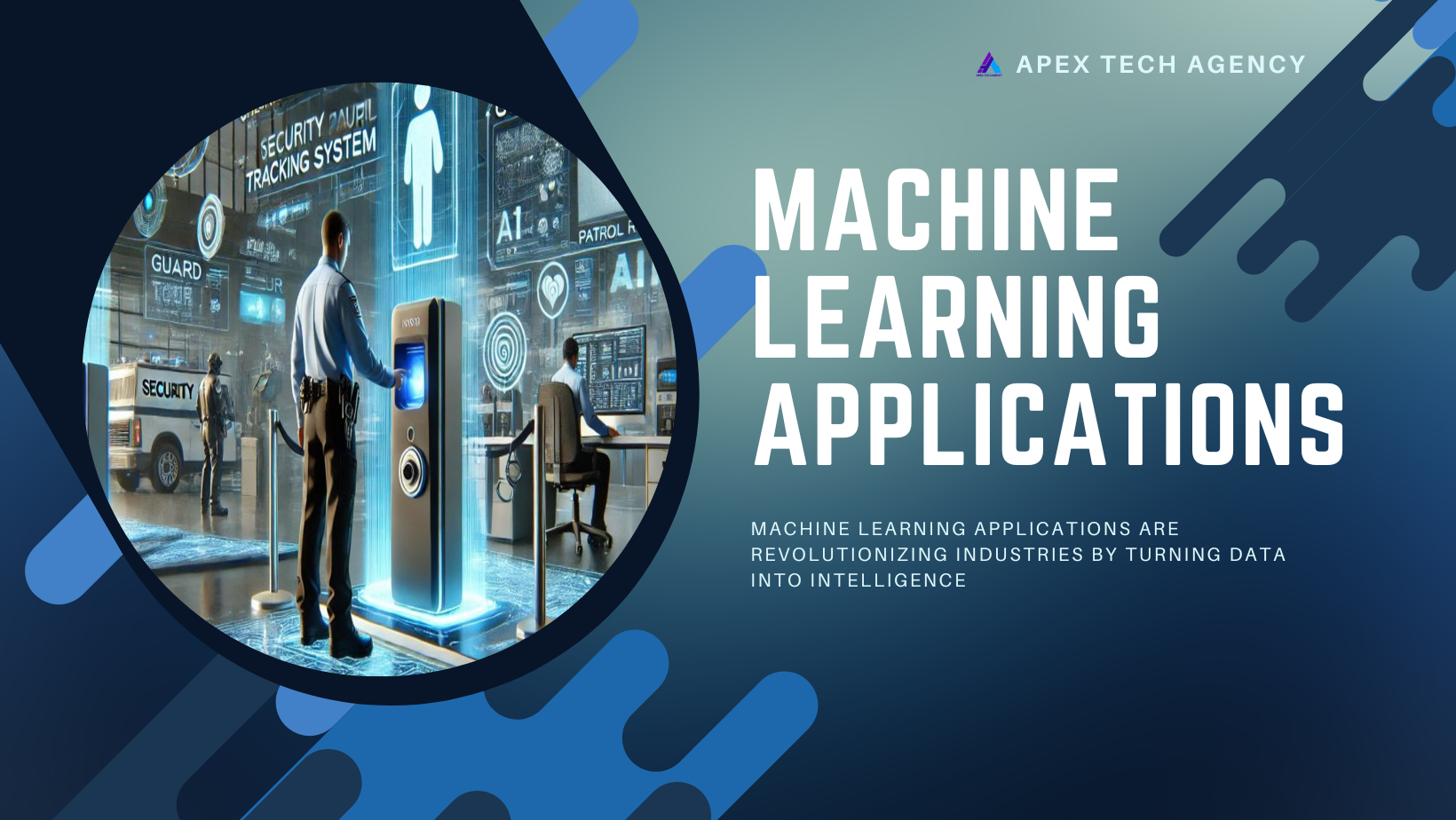
Machine learning applications are revolutionizing industries by turning data into intelligent, automated, and predictive solutions that drive innovation and growth.
In the digital-first economy, data has become the most valuable asset for businesses. However, raw data alone does not create value. The real transformation happens when organizations use intelligent systems to extract insights, predict outcomes, and automate decisions. This is where Machine Learning Applications are making a revolutionary impact across industries.
From healthcare diagnostics to smart agriculture, machine learning is no longer experimental technology. It has become a strategic necessity. Companies are leveraging advanced algorithms to streamline operations, enhance customer experiences, reduce risks, and unlock new revenue streams.
In this comprehensive guide, we will explore how Machine Learning Applications are transforming industries, why they matter for modern enterprises, and what the future holds for businesses that embrace this innovation.
Understanding Machine Learning in the Modern Business Landscape
Machine learning is a subset of artificial intelligence that allows systems to learn from historical data and improve performance over time without explicit programming. Unlike traditional software that follows predefined rules, machine learning models identify patterns and make predictions based on real-world data.
There are three primary approaches:
- Supervised Learning: Uses labeled datasets for prediction and classification.
- Unsupervised Learning: Identifies hidden patterns in unlabeled data.
- Reinforcement Learning: Learns optimal actions through rewards and penalties.
Organizations across sectors are investing heavily in Machine Learning Applications because they enable smarter decision-making, cost efficiency, and scalable automation.
1. Healthcare: Predictive Medicine and Intelligent Diagnostics
Healthcare is one of the most transformative fields benefiting from Machine Learning Applications. The ability to analyze vast amounts of patient data quickly and accurately is reshaping medical care.
Early Disease Detection and Diagnosis
Machine learning models analyze medical imaging, lab results, and patient history to detect diseases at earlier stages. For example, AI systems developed by IBM assist healthcare providers in identifying cancer patterns from imaging scans with remarkable precision.
Predictive analytics tools can flag potential heart disease risks years before symptoms appear. This proactive approach significantly improves survival rates and reduces long-term healthcare costs.
Personalized Treatment Plans
Each patient’s genetic makeup and lifestyle factors differ. Machine learning systems evaluate these variables to recommend personalized treatment strategies, ensuring higher success rates and fewer side effects.
Drug Discovery and Research
Pharmaceutical companies use advanced algorithms to simulate molecular interactions and identify promising compounds faster than traditional laboratory methods. This reduces research timelines from years to months.
Operational Efficiency in Hospitals
Hospitals also use predictive analytics to optimize staff scheduling, manage bed occupancy, and reduce emergency room wait times.
The healthcare industry is shifting from reactive treatment to predictive prevention, largely driven by Machine Learning Applications.
2. Financial Services: Fraud Detection and Intelligent Risk Analysis
The finance sector generates enormous volumes of transactional data daily. Traditional monitoring systems cannot keep up with the complexity of modern fraud schemes. Machine learning provides real-time analysis and adaptive risk management.
Fraud Detection Systems
Companies like PayPal rely on machine learning to monitor millions of transactions and identify suspicious activities instantly. Algorithms learn from transaction history to detect anomalies that human analysts might miss.
Credit Scoring and Loan Approvals
Modern credit scoring models analyze alternative data sources such as online behavior and spending patterns. This provides more accurate assessments, expanding access to financial services for underserved populations.
Algorithmic Trading
Investment firms use predictive models to analyze market patterns and execute trades at optimal moments. Machine learning enables faster and data-driven trading strategies that outperform manual decision-making.
Customer Service Automation
Financial institutions deploy AI-powered chatbots to handle inquiries, resolve disputes, and provide personalized financial advice.
By strengthening security and improving customer experience, Machine Learning Applications are redefining financial ecosystems.
3. Retail and E-Commerce: Hyper-Personalized Shopping Experiences
Retailers operate in a highly competitive environment where customer experience determines success. Machine learning helps businesses understand consumer behavior at a granular level.
Recommendation Engines
Online platforms like Amazon use advanced recommendation algorithms to suggest products based on browsing history, preferences, and purchase behavior. These systems significantly increase conversion rates.
Demand Forecasting
Accurate demand prediction ensures optimal inventory management. Machine learning models analyze seasonal trends, historical sales, and market fluctuations to prevent stockouts or overstocking.
Dynamic Pricing Strategies
Retailers adjust prices in real-time based on demand, competitor pricing, and customer segmentation. This improves profit margins while maintaining competitiveness.
Sentiment Analysis and Customer Insights
Natural language processing tools analyze customer reviews and social media conversations to identify brand perception and emerging trends.
Retailers leveraging Machine Learning Applications gain a powerful advantage in personalization and operational efficiency.
4. Manufacturing: Smart Automation and Predictive Maintenance
The manufacturing sector is undergoing digital transformation under Industry 4.0. Intelligent systems are optimizing production lines and reducing downtime.
Predictive Maintenance
Sensors collect equipment data, and algorithms predict potential failures before they occur. Companies like Siemens integrate AI-powered analytics into industrial machinery to enhance reliability.
Quality Control with Computer Vision
Machine learning-based image recognition systems inspect products for defects in real-time. This reduces human error and improves consistency.
Supply Chain Optimization
Predictive models analyze supplier performance, shipping delays, and demand variability to streamline logistics.
Robotics and Intelligent Automation
Reinforcement learning enables robots to adapt to dynamic production environments, increasing flexibility and efficiency.
Manufacturers using Machine Learning Applications achieve lower operational costs and higher productivity.
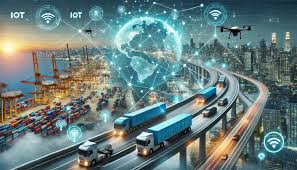
5. Transportation and Logistics: Intelligent Mobility Systems
Transportation networks are becoming smarter through predictive analytics and real-time optimization.
Autonomous Vehicles
Companies like Tesla use advanced machine learning algorithms to process sensor data and enable self-driving capabilities.
Route Optimization
Logistics companies analyze traffic data, fuel consumption, and delivery schedules to determine the most efficient routes.
Demand Forecasting for Ride-Sharing
Ride-sharing platforms predict peak demand periods to allocate drivers effectively.
Fleet Management
Predictive analytics monitors vehicle performance and prevents breakdowns, improving reliability.
Machine Learning Applications are reducing transportation costs while enhancing safety and sustainability.
6. Marketing and Advertising: Precision Targeting and Campaign Optimization
Marketing strategies are increasingly data-driven. Machine learning enhances targeting accuracy and customer engagement.
Customer Segmentation
Algorithms categorize customers based on purchasing patterns and preferences, enabling personalized campaigns.
Predictive Lead Scoring
Sales teams prioritize high-value leads using predictive analytics.
Ad Placement Optimization
Platforms like Google use machine learning to determine optimal ad placement and bidding strategies.
Content Personalization
Streaming platforms such as Netflix tailor content recommendations based on user behavior.
Machine Learning Applications help marketers maximize ROI and strengthen brand loyalty.
7. Agriculture: Smart Farming and Sustainable Production
Agriculture is becoming more data-centric with intelligent technologies.
Crop Health Monitoring
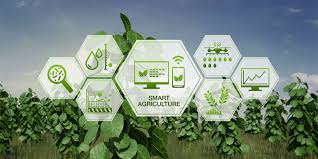
Drones and sensors capture field data, while algorithms detect diseases and nutrient deficiencies early.
Yield Prediction
Machine learning models analyze weather patterns, soil quality, and crop cycles to forecast yields accurately.
Automated Irrigation Systems
Predictive analytics determines optimal watering schedules, conserving water resources.
Livestock Monitoring
Wearable sensors track animal health, improving productivity and reducing losses.
Machine Learning Applications contribute to sustainable farming and global food security.
8. Cybersecurity: Threat Detection and Risk Prevention
As cyber threats grow more sophisticated, traditional security systems struggle to keep up.
Anomaly Detection
Machine learning identifies unusual network activity that may indicate cyberattacks.
Phishing and Malware Detection
Algorithms analyze email patterns and file behaviors to block malicious content.
Behavioral Analytics
Systems monitor user behavior to detect insider threats.
Machine Learning Applications provide proactive defense mechanisms against evolving cyber risks.
9. Energy and Utilities: Smart Grid Management
Energy companies use predictive analytics to manage supply and demand efficiently.
Load Forecasting
Machine learning predicts energy consumption patterns, preventing blackouts.
Renewable Energy Optimization
Algorithms optimize solar and wind energy distribution.
Infrastructure Monitoring
Sensors detect equipment issues in power plants before failures occur.
Machine Learning Applications enhance sustainability and energy efficiency.
10. Education: Personalized Learning Experiences
Educational institutions are adopting intelligent systems to improve student outcomes.
Adaptive Learning Platforms
Systems analyze student performance and tailor lessons accordingly.
Dropout Prediction Models
Predictive analytics identifies at-risk students and suggests interventions.
Automated Assessment
AI grading systems save educators time and ensure objective evaluation.
Machine Learning Applications are reshaping how knowledge is delivered and consumed.
The Future Outlook
The future of Machine Learning Applications is deeply integrated with emerging technologies such as IoT, blockchain, and edge computing. As computing power increases and data availability expands, industries will discover new use cases that further accelerate innovation.
Organizations that invest in machine learning today are building resilient, adaptive, and intelligent ecosystems capable of thriving in competitive markets.
Final Thoughts
Machine learning is no longer optional for forward-thinking businesses. It is a strategic driver of growth, efficiency, and innovation. From healthcare breakthroughs to financial security, from smart factories to personalized retail, Machine Learning Applications are transforming industries at an unprecedented pace.
As technology continues to evolve, businesses that harness the power of data-driven intelligence will lead the next wave of digital transformation.
Want to know abut “The Future of Wearable Technology secure 2026“