Cloud computing has evolved from a simple data storage solution into the backbone of modern digital transformation. Businesses across the globe now rely on cloud technologies to improve scalability, enhance security, reduce operational costs, and accelerate innovation. As organizations increasingly adopt cloud-first strategies, understanding emerging trends is critical to staying competitive in the digital era.
This article explores the Top 5 cloud computing trends shaping the future of technology and business. These trends highlight how cloud platforms are becoming more intelligent, flexible, secure, and deeply integrated into everyday operations across industries.
1. Hybrid and Multi-Cloud Adoption
Overview
Hybrid and multi-cloud adoption stands at the forefront of the Top 5 cloud computing trends. Organizations are moving away from reliance on a single cloud provider and embracing a combination of public clouds, private clouds, and on-premises infrastructure.
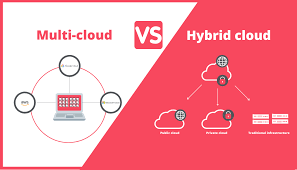
A hybrid cloud integrates private and public cloud environments, while a multi-cloud strategy involves using multiple public cloud providers. Together, they offer flexibility, resilience, and strategic control over workloads and data.
Why Businesses Are Adopting Hybrid and Multi-Cloud Models
One of the biggest drivers behind this trend is flexibility. Different workloads have different requirements. While customer-facing applications benefit from public cloud scalability, sensitive data may require private infrastructure for compliance and security reasons.
Another key factor is risk management. Cloud outages, vendor lock-in, and pricing changes can disrupt operations. Multi-cloud strategies reduce dependency on a single provider and improve business continuity.
Key Benefits
- Greater control over data and workloads
- Reduced downtime and improved disaster recovery
- Cost optimization through workload placement
- Compliance with regional and industry regulations
- Access to best-in-class services from multiple providers
Industry Impact
Enterprises, healthcare organizations, financial institutions, and government agencies are leading adopters of hybrid and multi-cloud strategies. These environments allow them to modernize legacy systems while maintaining strict security and compliance standards.
Hybrid and multi-cloud adoption will continue to dominate the Top 5 Cloud Computing Trends as organizations seek balanced, future-ready cloud architectures.
2. Serverless Computing and Cloud-Native Development
What Is Serverless Computing?
Serverless computing is another major innovation among the Top 5 Cloud Computing Trends. In a serverless model, developers write and deploy code without managing servers, operating systems, or infrastructure.
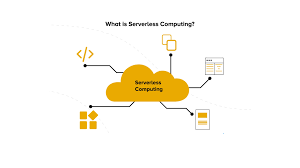
Cloud providers automatically handle scaling, maintenance, and resource allocation, allowing teams to focus entirely on application logic and innovation.
Rise of Cloud-Native Architectures
Serverless computing goes hand in hand with cloud-native development. Technologies such as containers, Kubernetes, microservices, and DevOps pipelines are redefining how applications are built and deployed.
Cloud-native applications are:
- Highly scalable
- Resilient by design
- Faster to deploy and update
- Optimized for cloud environments
Advantages of Serverless and Cloud-Native Approaches
- Reduced infrastructure management
- Faster time to market
- Lower operational costs
- Automatic scalability
- Improved developer productivity
Use Cases
Serverless computing is widely used in:
- Web and mobile applications
- API backends
- Event-driven systems
- Real-time data processing
- IoT data ingestion
As organizations modernize their applications, serverless and cloud-native technologies are becoming central to the Top 5 Cloud Computing Trends shaping the future.
3. Artificial Intelligence and Machine Learning in the Cloud
AI-Powered Cloud Platforms
Artificial Intelligence (AI) and Machine Learning (ML) integration represents one of the most transformative Top 5 Cloud Computing Trends. Cloud providers now offer AI and ML as built-in services, enabling organizations to develop intelligent applications without deep expertise in data science.
Cloud-based AI services include:
- Natural language processing
- Computer vision
- Predictive analytics
- Recommendation engines
- Automated decision-making
Why AI and Cloud Are a Perfect Match
The cloud provides the massive computing power and storage required for training and deploying AI models. Meanwhile, AI enhances cloud platforms by optimizing performance, security, and cost management.
This synergy allows businesses to turn raw data into actionable insights at unprecedented speed.
Business Applications
AI-powered cloud solutions are transforming industries by enabling:
- Personalized customer experiences
- Fraud detection and risk analysis
- Predictive maintenance
- Intelligent chatbots and virtual assistants
- Advanced business analytics
Impact on Decision-Making
With AI integrated into cloud platforms, organizations can make data-driven decisions in real time. This capability significantly improves agility, competitiveness, and operational efficiency.
AI and ML integration will remain a defining force within the Top 5 Cloud Computing Trends as intelligent automation becomes the norm.
4. Enhanced Cloud Security and Zero Trust Architecture
Growing Importance of Cloud Security
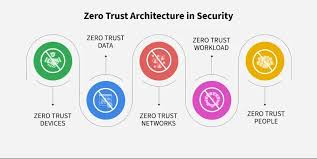
As cloud adoption accelerates, security has become a top concern for organizations worldwide. Enhanced cloud security and Zero Trust models are a critical part of the Top 5 Cloud Computing Trends.
Traditional perimeter-based security is no longer sufficient. Zero Trust assumes that no user or device is trusted by default—every access request must be verified.
Key Elements of Zero Trust Architecture
- Identity and access management (IAM)
- Continuous authentication and authorization
- Least-privilege access controls
- Encryption of data at rest and in transit
- Continuous monitoring and threat detection
Advanced Cloud Security Solutions
Modern cloud platforms offer built-in security tools such as:
- AI-powered threat detection
- Automated compliance monitoring
- Secure access service edge (SASE)
- Cloud workload protection platforms
Why This Trend Matters
Cyberattacks are becoming more frequent and sophisticated. Cloud security solutions now focus on proactive threat prevention rather than reactive defense.
Enhanced security frameworks protect sensitive data, ensure regulatory compliance, and build customer trust—making security innovation a vital element of the Top 5 Cloud Computing Trends.
5. Edge Computing and IoT Integration
Understanding Edge Computing
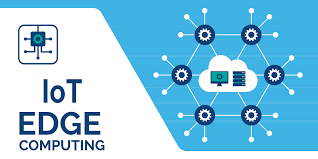
Edge computing is revolutionizing how data is processed and analyzed. Instead of sending all data to centralized cloud servers, processing occurs closer to the data source—at the “edge” of the network.
This trend completes the list of the Top 5 Cloud Computing Trends shaping the future.
Why Edge Computing Is Growing
The explosion of Internet of Things (IoT) devices has created massive volumes of data. Processing this data centrally can lead to latency, bandwidth issues, and higher costs.
Edge computing solves these challenges by enabling:
- Faster data processing
- Real-time decision-making
- Reduced network congestion
- Improved reliability
Cloud and Edge: A Powerful Combination
Edge computing does not replace the cloud—it complements it. The cloud handles centralized analytics, storage, and AI processing, while edge devices manage real-time operations.
Key Use Cases
- Smart cities and traffic management
- Industrial automation and manufacturing
- Healthcare monitoring systems
- Autonomous vehicles
- Retail and supply chain optimization
Edge computing will continue to grow as real-time digital experiences become essential, securing its place among the Top 5 Cloud Computing Trends.
Benefits of Adopting the Top 5 Cloud Computing Trends
Organizations that embrace these trends gain several strategic advantages:
- Faster innovation and digital transformation
- Improved scalability and flexibility
- Enhanced security and compliance
- Lower operational and infrastructure costs
- Better customer experiences
Together, the top 5 cloud computing trends enable businesses to build resilient, future-ready IT ecosystems.
Challenges and Considerations
Despite their benefits, cloud trends also present challenges:
- Managing complex multi-cloud environments
- Ensuring data privacy and regulatory compliance
- Addressing skill gaps in cloud technologies
- Controlling cloud costs
Successful cloud adoption requires strategic planning, governance, and continuous optimization.
Future Outlook of Cloud Computing
The future of cloud computing is intelligent, decentralized, and security-focused. As technologies mature, cloud platforms will evolve into autonomous systems capable of self-optimization and predictive management.
Organizations that align their strategies with the top 5 cloud computing trends will be better positioned to adapt, innovate, and compete in a rapidly changing digital landscape.
Conclusion
Cloud computing is no longer optional—it is a fundamental driver of modern business success. The top 5 cloud computing trends highlighted in this article demonstrate how cloud technologies are reshaping industries, enabling smarter decisions, and powering global innovation.
By adopting hybrid and multi-cloud strategies, leveraging serverless and cloud-native development, integrating AI, strengthening security, and embracing edge computing, organizations can unlock the full potential of the cloud and shape a sustainable digital future.
Want to know about “Top 5 Generative AI Use Cases Across the World”?