Understanding the top 5 emerging technologies is crucial for businesses, professionals, and students who want to stay competitive in the coming decade.
The digital world is evolving faster than ever before, and innovation is no longer limited to research labs or tech giants. From healthcare to finance and education to manufacturing, technology is redefining every industry.
These emerging technologies are not just trends; they are long-term innovations that will shape economies, influence decision-making, and redefine how humans interact with machines. This in-depth guide explores the Top 5 Emerging Technologies in detail, explaining their applications, benefits, challenges, and future potential.
Here is the list of the top 5 emerging technologies:
1. Artificial Intelligence and Machine Learning
Artificial intelligence and machine learning lead the list of the Top 5 Emerging Technologies due to their massive impact across industries. Artificial intelligence refers to machines that simulate human intelligence, while machine learning allows systems to learn from data and improve automatically over time.
AI is no longer limited to basic automation. It now powers advanced systems capable of understanding language, recognizing images, predicting outcomes, and making decisions with minimal human intervention.
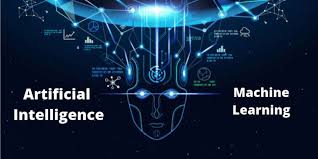
Role of Artificial Intelligence
AI-driven systems are transforming healthcare through early disease detection, AI-assisted diagnostics, and robotic surgeries. In finance, machine learning algorithms are used for fraud detection, algorithmic trading, credit scoring, and risk management.
Retail companies leverage AI for customer behavior analysis, personalized recommendations, and demand forecasting. In education, AI-based learning platforms adapt content to individual student needs, improving engagement and outcomes.
Future Scope of AI
Over the next decade, AI will evolve into more explainable, ethical, and collaborative systems. Human-AI collaboration will become common in workplaces, enhancing productivity rather than replacing jobs. AI governance, regulation, and transparency will play a vital role in responsible adoption.
Because of its scalability and impact, artificial intelligence remains the most influential component of the top 5 emerging technologies.
2. Internet of Things (IoT)
The Internet of Things is another major pillar among the Top 5 Emerging Technologies that will define the future. IoT refers to interconnected physical devices that collect and exchange data over the internet, enabling smart environments and automated decision-making.
IoT creates a digital bridge between the physical and virtual worlds, improving efficiency, accuracy, and real-time monitoring.
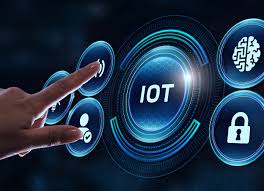
Importance of IoT
Smart homes use IoT devices to control lighting, temperature, and security systems remotely. In healthcare, wearable IoT devices track vital signs, allowing doctors to monitor patients in real time and provide preventive care.
Industrial IoT enhances manufacturing by enabling predictive maintenance, reducing downtime, and optimizing production processes. Smart agriculture uses IoT sensors to monitor soil conditions, water usage, and crop health.
Future Trends of IoT in the Emerging Technologies
With the expansion of 5G networks, IoT devices will become faster, more reliable, and capable of handling complex tasks. Edge computing will process data closer to the source, reducing latency and improving security.
As billions of devices come online, IoT will remain a cornerstone of the Top 5 Emerging Technologies, reshaping smart cities, logistics, and global infrastructure.
3. Blockchain Technology
Blockchain technology has evolved far beyond cryptocurrencies and is now a key player in the Top 5 Emerging Technologies. Blockchain is a decentralized digital ledger that records transactions securely and transparently without the need for intermediaries.
Its ability to establish trust in digital systems makes it valuable across various sectors.
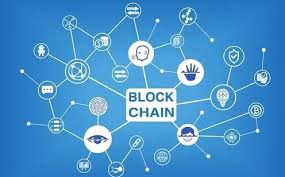
Blockchain Applications:
In supply chain management, blockchain improves transparency by tracking goods from origin to destination. This reduces fraud, counterfeiting, and inefficiencies. In healthcare, blockchain ensures secure storage and controlled sharing of patient records.
Financial institutions use blockchain for faster and cheaper cross-border payments. Governments explore blockchain for digital identity management, voting systems, and public record transparency.
Long-Term Impact of Blockchain
Smart contracts automate agreements, reducing legal complexities and operational costs. As scalability and regulatory clarity improve, blockchain adoption will accelerate across industries.
Blockchain’s role in redefining trust and data security solidifies its place among the Top 5 Emerging Technologies of the next decade.
4. Extended Reality (AR, VR, and MR)
Extended Reality, including Augmented Reality, Virtual Reality, and Mixed Reality, is transforming digital interaction and user experience. XR is a powerful addition to the Top 5 Emerging Technologies due to its immersive and interactive nature.
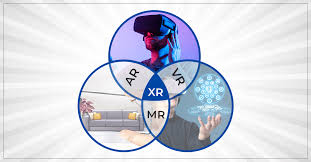
Use Cases of Extended Reality
In education, XR creates immersive learning environments such as virtual labs and historical simulations. In healthcare, VR is used for surgical training, pain management, and mental health therapy.
Retail brands use AR to allow customers to try products virtually before purchasing. In manufacturing, AR assists technicians with real-time instructions and remote maintenance.
Future Potential of XR
As devices become more affordable and lightweight, XR adoption will grow rapidly. Integration with AI and IoT will create intelligent, context-aware environments. The rise of the metaverse will further boost XR innovation.
Extended Reality will continue to redefine entertainment, education, and enterprise solutions within the Top 5 Emerging Technologies.
5. Biotechnology and Genetic Engineering
Biotechnology and genetic engineering are among the most revolutionary fields in the Top 5 Emerging Technologies. By combining biology with advanced technology, this sector is transforming healthcare, agriculture, and environmental sustainability.

Innovations in Biotechnology
Genetic engineering enables personalized medicine, early disease detection, and targeted therapies. Technologies like CRISPR allow precise gene editing, opening new possibilities for treating genetic disorders.
In agriculture, biotechnology creates crops resistant to pests, diseases, and climate change, improving food security. Environmental biotechnology helps in waste treatment, pollution control, and renewable energy production.
Ethical and Future Considerations
While biotechnology offers immense benefits, it also raises ethical concerns related to genetic modification and data privacy. Governments and organizations are developing regulations to ensure responsible innovation.
With continuous research and investment, biotechnology will remain a critical force in the Top 5 Emerging Technologies shaping humanity’s future.
Why Understanding the Top 5 Emerging Technologies Is Essential
The Top 5 Emerging Technologies are not isolated innovations; they are interconnected systems driving digital transformation. Businesses that adopt these technologies early gain competitive advantages, while individuals who upskill remain relevant in the evolving job market.
These technologies will create new careers, redefine existing roles, and influence global economic growth. Staying informed is no longer optional—it is essential.
Conclusion: The Future Belongs to the Top 5 Emerging Technologies
The next decade will be defined by innovation, automation, and intelligent systems. Artificial intelligence, IoT, blockchain, extended reality, and biotechnology are leading this transformation. Together, they represent the Top 5 Emerging Technologies that will shape industries, societies, and everyday life.
By understanding and embracing these technologies today, businesses and individuals can prepare for a smarter, more connected, and more innovative future.
Want to know about “Top 10 Global Tech Companies Assured Progress“?