This in-depth guide explores the top 5 software trends shaping global businesses, explaining how each trend works, why it matters, and how organizations can leverage it strategically.
In today’s fast-moving digital economy, businesses are no longer competing only on products or services—they are competing on technology. Software has become the backbone of modern enterprises, influencing everything from customer experience to operational efficiency and global scalability. Organizations that fail to adapt quickly risk falling behind in an increasingly digital-first world. The Top 5 Software Trends explored in this article highlight how modern enterprises are evolving to meet global demands.
Understanding the top 5 software trends is critical for leaders, entrepreneurs, IT professionals, and startups aiming to future-proof their operations. These trends are not temporary shifts; they represent structural changes in how software is built, deployed, secured, and scaled across industries worldwide.
1. Artificial Intelligence Integration in Business Software
Artificial intelligence is no longer a futuristic concept reserved for research labs. It has become a practical tool embedded in everyday business applications. From predictive analytics to automated customer support, AI-powered software is transforming decision-making processes across industries.
Why AI Is a Game-Changer
Modern enterprises generate enormous volumes of data. Without intelligent systems, extracting actionable insights from that data becomes nearly impossible. AI-driven software solutions analyze patterns, forecast trends, and automate repetitive tasks with remarkable precision.
Businesses now use AI to:
- Personalize customer experiences in real time
- Automate workflows and reduce operational costs
- Detect fraud and strengthen cybersecurity
- Optimize supply chain and inventory management
The integration of machine learning algorithms into enterprise resource planning (ERP) systems and customer relationship management (CRM) platforms enables organizations to make smarter, data-driven decisions faster than ever before.
Real-World Impact
Retail companies use AI to recommend products based on browsing behavior. Financial institutions rely on AI-driven fraud detection systems. Healthcare providers leverage AI-powered diagnostic tools to enhance patient outcomes. The Top 5 Software Trends explored in this article highlight how modern enterprises are evolving to meet global demands.
As one of the Top 5 Software Trends, AI integration is not just enhancing efficiency—it is redefining how businesses operate at a fundamental level.
2. Cloud-Native Development and Multi-Cloud Strategies
Cloud computing has evolved significantly over the past decade. Businesses are no longer simply migrating workloads to the cloud; they are designing applications specifically for cloud environments. This shift toward cloud-native architecture is reshaping software development strategies worldwide.
What Is Cloud-Native Development?
Cloud-native applications are built using microservices architecture, containers, and dynamic orchestration systems. Unlike traditional monolithic systems, these applications are flexible, scalable, and resilient.
Key characteristics include:
- Containerization using platforms like Docker
- Orchestration tools such as Kubernetes
- Continuous integration and continuous deployment (CI/CD) pipelines
- Elastic scaling based on demand
The Rise of Multi-Cloud Environments
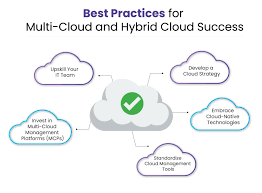
Enterprises increasingly adopt multi-cloud strategies to avoid vendor lock-in and improve redundancy. By distributing workloads across multiple cloud providers, organizations enhance reliability and maintain greater control over costs and performance.
Business Benefits
- Faster deployment cycles
- Improved scalability during traffic spikes
- Reduced infrastructure management costs
- Enhanced disaster recovery capabilities
As digital competition intensifies, cloud-native development remains one of the top 5 software trends driving agility and innovation. The Top 5 Software Trends explored in this article highlight how modern enterprises are evolving to meet global demands.
3. Cybersecurity-First Software Design
With cyber threats growing more sophisticated, businesses can no longer treat security as an afterthought. Secure-by-design principles are now central to modern software development.
The Growing Threat Landscape

From ransomware attacks to data breaches, cybersecurity incidents can result in financial loss, reputational damage, and regulatory penalties. As organizations expand digitally, their attack surfaces grow larger.
Security Embedded into Development
Modern software development frameworks incorporate security practices from the earliest stages of coding. This approach, often referred to as DevSecOps, ensures that vulnerabilities are identified and resolved early in the development lifecycle.
Security-first practices include:
- Zero-trust architecture implementation
- Multi-factor authentication integration
- End-to-end encryption
- Continuous security testing and monitoring
Why It Matters Globally
Governments worldwide are introducing stricter data protection laws. Businesses that fail to prioritize security risk legal consequences in addition to operational disruption.
Cybersecurity-focused design has firmly positioned itself among the Top 5 Software Trends, influencing how applications are structured and maintained.
4. Low-Code and No-Code Development Platforms
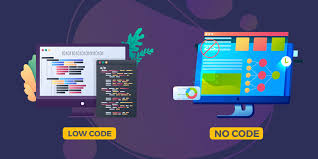
One of the most transformative shifts in recent years is the rise of low-code and no-code development tools. These platforms empower non-technical users to build applications without extensive programming knowledge.
Breaking the Technical Barrier
Traditionally, developing enterprise software required teams of experienced developers. Low-code platforms simplify this process by offering drag-and-drop interfaces, pre-built templates, and automated workflows.
This democratization of development allows business analysts, marketers, and operations managers to create customized solutions tailored to their needs.
Advantages for Global Businesses
- Faster application development
- Reduced dependency on large IT teams
- Lower development costs
- Rapid prototyping and iteration
Limitations and Considerations
While low-code platforms accelerate innovation, they may not replace complex custom-built systems entirely. Enterprises must evaluate scalability, integration capabilities, and security compliance before widespread adoption.The Top 5 Software Trends explored in this article highlight how modern enterprises are evolving to meet global demands.
Nevertheless, low-code solutions are undeniably among the top 5 software trends enabling digital transformation at scale.
5. Data-Driven Software and Advanced Analytics Integration
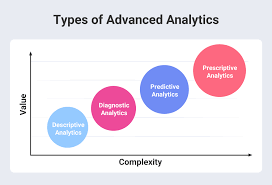
In the modern business environment, data is one of the most valuable assets. Companies are increasingly embedding advanced analytics directly into their software ecosystems.
From Data Collection to Actionable Insights
Modern business software now includes built-in analytics dashboards that provide real-time insights into performance metrics. Predictive modeling tools forecast sales trends, customer churn rates, and operational bottlenecks.
Embedded Business Intelligence
Rather than relying on separate reporting tools, organizations integrate business intelligence features directly within operational software. This integration allows decision-makers to access insights instantly without switching platforms.
Strategic Advantages
- Improved forecasting accuracy
- Enhanced customer targeting
- Optimized marketing campaigns
- Data-backed strategic planning
Data-driven software ecosystems ensure that every business decision is grounded in measurable insights. This trend solidifies its position among the top 5 software trends shaping competitive enterprises.
How These Trends Interconnect
While each of these trends stands independently, their true power lies in their integration. AI systems rely on cloud infrastructure for scalability. Low-code platforms often operate in cloud-native environments. Advanced analytics tools require secure software frameworks.
Global businesses that successfully combine these trends gain:
- Operational agility
- Enhanced customer satisfaction
- Increased resilience against cyber threats
- Sustainable competitive advantages
The digital transformation journey is not about adopting one technology — it is about creating a cohesive software ecosystem.
The Future Outlook
Looking ahead, software innovation will continue accelerating. Emerging technologies such as quantum computing, extended reality, and edge computing will further expand possibilities.
However, the foundational shifts represented by the Top 5 Software Trends will remain central to business strategy for years to come. Companies that prioritize adaptability, security, and intelligent automation will lead in the digital economy.
Final Thoughts
Technology is no longer a support function; it is a strategic driver of growth. The Top 5 Software Trends explored in this article highlight how modern enterprises are evolving to meet global demands.
Organizations that embrace AI integration, cloud-native development, cybersecurity-first design, low-code platforms, and data-driven software will position themselves for long-term success.
In an era where digital transformation determines survival, staying informed about these trends is not optional — it is essential.
Want to know about “Top 5 Tech Events That Shook the Digital World?”