
In this evolving landscape, data Encryption has become the foundation of digital security, privacy protection, and regulatory compliance.
In 2026, digital transformation is no longer a competitive advantage — it is a necessity. Businesses, governments, startups, and individuals are generating and transmitting more information than ever before. From financial transactions and healthcare records to artificial intelligence systems and cloud-based platforms, sensitive data flows constantly across networks.
Cyber threats are more advanced, automated, and financially motivated than at any point in history. Attackers are leveraging AI-driven tools, ransomware-as-a-service models, and sophisticated phishing campaigns to exploit vulnerabilities. Without strong security measures, organizations face financial loss, reputational damage, legal penalties, and operational disruption. This is why modern cybersecurity strategies now prioritize encryption as a non-negotiable standard rather than an optional feature.
This comprehensive guide explores why data encryption is critical in 2026, how it protects digital ecosystems, its role in emerging technologies, regulatory implications, and what businesses must do to stay secure in a rapidly evolving threat environment.
The Explosive Growth of Digital Data
The amount of global data created annually continues to grow at an exponential rate. Businesses rely on cloud storage, IoT devices, remote work infrastructure, and digital collaboration tools. Every click, transaction, and interaction generates information that may contain sensitive details.
The expansion of remote work and hybrid environments has dramatically increased exposure points. Employees access corporate systems from home networks, shared Wi-Fi, and personal devices. Without strong encryption mechanisms, transmitted data becomes vulnerable to interception, man-in-the-middle attacks, and unauthorized access.
Additionally, industries such as healthcare, fintech, and e-commerce handle highly confidential customer data. Any breach not only results in financial consequences but also erodes consumer trust. Encryption ensures that even if attackers gain access to stored or transmitted data, the information remains unreadable and unusable.
Rising Sophistication of Cyber Threats in 2026
Cybercrime has evolved into a multi-billion-dollar global industry. Threat actors now use automation, artificial intelligence, and machine learning to identify weaknesses in networks faster than ever before. Ransomware attacks, in particular, have surged, targeting organizations of all sizes.

Attackers no longer simply steal data — they encrypt it themselves and demand payment for decryption. This double-extortion strategy often includes leaking stolen information publicly if ransom demands are not met. Organizations that implement strong encryption protocols for data at rest and in transit significantly reduce the risk of data exploitation.
Furthermore, supply chain attacks are increasing. Cybercriminals target third-party vendors to infiltrate larger organizations. In such scenarios, encryption acts as a containment mechanism, limiting damage even if one system is compromised.
Protecting Sensitive Personal Information
Consumers today are highly aware of privacy concerns. They expect organizations to safeguard their personal data responsibly. From banking credentials and national ID numbers to biometric information and medical history, personal data has become extremely valuable.
Encryption ensures that sensitive details are converted into coded formats that can only be accessed with authorized keys. Even if databases are breached, encrypted data remains protected. This builds customer trust and strengthens brand credibility.
In 2026, privacy is not just a legal requirement; it is a competitive differentiator. Companies that transparently communicate their security practices gain a strategic advantage in markets where users prioritize safety.
Regulatory Compliance and Legal Requirements
Governments worldwide are strengthening data protection laws. Regulations require businesses to implement strict safeguards to protect user information. Failure to comply can result in heavy fines, lawsuits, and operational restrictions.
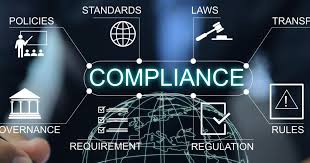
Encryption plays a central role in meeting regulatory standards. It demonstrates that an organization has taken proactive steps to secure sensitive information. Many compliance frameworks explicitly mandate data encryption for financial records, healthcare data, and cross-border transfers.
As data localization laws expand, companies operating globally must ensure secure data storage and transmission across jurisdictions. Data Encryption helps organizations align with these evolving legal frameworks and avoid regulatory penalties.
Securing Cloud Computing Environments
Cloud adoption continues to accelerate in 2026. Organizations rely on public, private, and hybrid cloud infrastructures to store vast amounts of information. While cloud providers implement security controls, businesses remain responsible for protecting their own data.
Data encryption ensures that stored files, backups, and databases remain secure even within shared cloud environments. It prevents unauthorized users from accessing data in case of misconfigurations or insider threats.
Moreover, end-to-end encryption guarantees that information remains protected from the point of origin to its final destination. This is particularly important for SaaS platforms, collaboration tools, and remote applications.
The Role of Data Encryption in Artificial Intelligence
Artificial intelligence systems depend on massive datasets for training and operation. These datasets often include sensitive customer information, financial records, and behavioral insights. If compromised, the consequences can be severe.
Encryption ensures that AI models process protected data without exposing raw information. Advanced cryptographic techniques such as homomorphic data encryption even allow computations to occur on encrypted data without decrypting it.
As AI adoption increases across industries,data encryption becomes essential for safeguarding training data, preventing model theft, and ensuring ethical data handling.
Internet of Things (IoT) Security Challenges
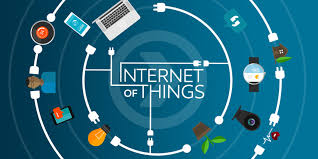
The number of connected IoT devices continues to grow in 2026. Smart homes, industrial sensors, healthcare wearables, and autonomous vehicles all rely on constant data exchange. However, many IoT devices have limited built-in security features.
Encryption protects communication between devices and servers, preventing unauthorized interception. Without data encryption, IoT networks become easy targets for botnet attacks and large-scale disruptions.
Securing IoT ecosystems requires implementing data encryption protocols tailored to lightweight devices while maintaining strong protection standards.
Financial Sector Protection
The financial industry is one of the most targeted sectors for cybercrime. Online banking, digital wallets, cryptocurrency platforms, and payment gateways process billions of transactions daily.
Encryption safeguards transaction details, authentication credentials, and customer financial records. Secure communication protocols ensure that payment information cannot be intercepted during transmission.
As digital currencies and decentralized finance platforms expand, data encryption will remain the backbone of financial cybersecurity strategies.
Preventing Insider Threats
Not all security breaches originate externally. Insider threats — whether malicious or accidental — pose significant risks. Employees with access to sensitive information may unintentionally expose data through weak passwords, phishing attacks, or improper sharing.
Encryption minimizes the impact of insider threats by restricting data accessibility. Role-based access control combined with data encryption ensures that employees can only access information necessary for their tasks.
This layered security approach reduces the likelihood of large-scale data exposure within organizations.
Protecting Intellectual Property
Innovation drives competitive advantage. Companies invest heavily in research, proprietary software, product designs, and trade secrets. Cyber espionage targeting intellectual property has increased significantly.
Encryption safeguards confidential files, source code repositories, and design documents. It ensures that valuable assets remain secure during storage and transmission.
In industries such as technology, pharmaceuticals, and manufacturing, protecting intellectual property is critical for long-term success.
Building Customer Trust and Brand Reputation

Trust is the currency of the digital economy. Customers are more likely to engage with brands that demonstrate strong security practices. A single data breach can permanently damage an organization’s reputation.
Data Encryption signals commitment to data protection. Transparent security policies and secure platforms encourage user confidence and long-term loyalty.
In competitive markets, trust can be the deciding factor between customer retention and loss.
Future-Proofing Against Quantum Computing
Quantum computing is advancing rapidly. While it promises revolutionary breakthroughs, it also poses risks to traditional cryptographic algorithms. Some current data encryption methods may become vulnerable to quantum attacks.
Organizations in 2026 must begin preparing for post-quantum cryptography. Upgrading encryption frameworks ensures long-term resilience against emerging computational threats.
Forward-thinking companies are already investing in quantum-resistant encryption technologies to stay ahead of potential disruptions.
Best Practices for Implementing Encryption in 2026
To maximize effectiveness, organizations should adopt a comprehensive strategy:
- Encrypt data at rest and in transit.
- Use strong key management systems.
- Regularly update cryptographic protocols.
- Implement multi-factor authentication.
- Conduct regular security audits.
- Train employees on cybersecurity awareness.
- Monitor networks continuously for suspicious activity.
Encryption should be integrated into every layer of IT infrastructure rather than added as an afterthought.
Conclusion
As digital ecosystems expand and cyber threats intensify, data encryption stands as the cornerstone of modern cybersecurity. It protects sensitive information, ensures regulatory compliance, strengthens customer trust, and safeguards intellectual property.
In 2026, organizations that fail to prioritize encryption risk financial loss, legal consequences, and reputational damage. Conversely, those that implement strong encryption strategies position themselves for sustainable growth in an increasingly connected world.
The future of cybersecurity depends on proactive protection measures, and encryption remains the most powerful defense mechanism available. Businesses that treat encryption as a strategic priority — rather than a technical checkbox — will thrive in the digital age.
In a world driven by data, encryption is not optional. It is essential.
Want to know about “7 Reasons Metaverse Technology Shapes the Future.”