Understanding why you should Stop Over-Targeting Ads can help businesses improve campaign reach, increase conversions, and achieve better returns on advertising investments. This article explores the reasons why over-targeting can damage marketing performance and explains how adopting smarter targeting strategies can lead to stronger advertising success.
Digital advertising has evolved dramatically over the past decade. Businesses now have access to powerful tools that allow them to target specific audiences based on demographics, interests, behavior, and purchasing patterns. While targeting has made advertising more precise, many marketers are now realizing that excessive targeting can actually harm campaign performance. This is why many experts recommend that businesses Stop Over-Targeting Ads to achieve better results in modern digital marketing.
In 2026, advertising platforms such as search engines, social media networks, and programmatic ad systems rely heavily on machine learning and artificial intelligence. These systems are designed to analyze large amounts of data and automatically find the best audiences for advertisements. However, when advertisers restrict targeting too much, they limit the algorithm’s ability to discover new potential customers.
What Is Over-Targeting in Digital Advertising?

Before understanding why businesses should Stop Over-Targeting Ads, it is important to understand what over-targeting actually means.
Over-targeting occurs when advertisers apply too many restrictions to their audience selection. Instead of allowing ads to reach a broad group of potential customers, advertisers narrow their audience based on multiple filters such as:
- Age
- Location
- Interests
- Occupation
- Shopping behavior
- Device type
- Income level
Although these filters may seem helpful, excessive targeting can reduce the number of people who see the advertisement. When the audience becomes too small, advertising platforms struggle to optimize campaigns effectively.
For example, a business selling fitness equipment might target only people aged 25–30 who live in a specific city, have an interest in gyms, use a particular smartphone brand, and follow specific social media pages. While this audience may appear highly relevant, it excludes many other potential customers who might also be interested in fitness products.
This is why modern marketers increasingly advise businesses to Stop Over-Targeting Your Ads and allow advertising algorithms to explore broader audiences.
Why Over-Targeting Hurts Your Advertising Performance
Many businesses believe that highly specific targeting improves marketing efficiency. However, over-targeting often leads to several problems that reduce campaign effectiveness.
Limited Audience Reach
One of the biggest problems with over-targeting is that it drastically reduces audience size. When the audience becomes too small, ads are shown repeatedly to the same users, which can lead to ad fatigue.
Ad fatigue occurs when people see the same advertisement too many times and lose interest in it. This reduces engagement and can damage brand perception.
By choosing to Stop Over-Targeting Your Ads, businesses can reach a wider audience and avoid repetitive ad exposure.
Higher Advertising Costs
Over-targeting can also increase advertising costs. When advertisers compete for a small and highly specific audience, bidding competition becomes intense. This drives up the cost of impressions and clicks.
Advertising platforms operate on auction systems, meaning advertisers compete to show ads to certain users. If many advertisers target the same small audience group, prices increase significantly.
When businesses Stop Over-Targeting Ads, they allow the platform to explore broader audiences where competition may be lower, reducing overall advertising costs.
Reduced Algorithm Learning
Modern advertising platforms rely on artificial intelligence to optimize campaigns. These algorithms analyze user behavior and identify patterns that lead to conversions.
However, when the audience is too small, the algorithm receives limited data. This makes it harder for the system to learn which users are most likely to engage with the advertisement.
By choosing to Stop Over-Targeting Ads, advertisers provide algorithms with larger data sets, allowing them to optimize campaigns more effectively.
The Rise of AI-Powered Advertising in 2026
One major reason marketers are encouraged to Stop Over-Targeting Ads is the advancement of artificial intelligence in digital advertising.
In 2026, advertising platforms use sophisticated machine learning models that automatically analyze:
- User browsing patterns
- Shopping behavior
- Engagement history
- Device usage
- Content interactions
These algorithms continuously learn and improve campaign performance. Instead of relying on rigid targeting settings, AI systems dynamically identify potential customers who are likely to convert.
This means advertisers no longer need to manually define extremely narrow audiences. By allowing the platform’s AI to explore broader audiences, campaigns often discover new customer segments that were previously overlooked.
The Benefits of Broader Audience Targeting
When businesses decide to Stop Over-Targeting Ads, they often experience several important benefits.
Greater Brand Exposure
Broader targeting allows ads to reach more people across different demographics and interest groups. This increases brand awareness and introduces products to new potential customers.
For growing businesses, brand exposure is essential for building long-term market presence.
Discovering New Customer Segments
Sometimes the most profitable customers are not the ones marketers initially expected. Broader targeting allows advertising platforms to test different audience segments and identify hidden opportunities.
For example, a product designed for young professionals might also attract interest from students or freelancers. Without broader targeting, these potential customers might never see the advertisement.
Improved Campaign Performance
When advertising platforms have access to larger audiences, they can test multiple variations and optimize campaigns more efficiently. This often leads to better results in terms of:
- Higher click-through rates
- Lower cost per conversion
- Increased overall return on investment
This is another reason why experts recommend businesses to Stop Over-Targeting Ads in modern digital marketing strategies.
Common Mistakes Businesses Make with Ad Targeting
Many advertisers unintentionally damage their campaigns because they misunderstand how targeting works. Below are some common mistakes.
Using Too Many Filters
One of the most common mistakes is stacking too many audience filters. While each filter seems logical individually, combining them can dramatically reduce audience size.
Ignoring Algorithm Optimization
Some marketers try to control every aspect of targeting instead of allowing the platform’s algorithm to optimize performance.
Targeting Only Existing Customers
While retargeting previous customers can be effective, focusing only on existing audiences prevents businesses from acquiring new customers.
These mistakes highlight why companies should Stop Over-Targeting Ads and adopt more flexible advertising strategies. The whole article explore how stop over-targeting Ads in 2026.
How to Use Smarter Targeting Strategies
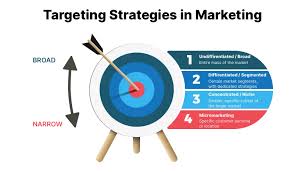
Instead of eliminating targeting completely, businesses should focus on smarter targeting methods.
Start with Broader Audiences
Allow advertising platforms to test broader audiences during the early stages of campaigns. This helps the algorithm gather valuable data.
Use Lookalike Audiences
Lookalike audiences allow advertisers to reach users who share characteristics with existing customers. This expands reach while maintaining relevance.
Monitor Data and Optimize
Rather than limiting audiences in advance, analyze campaign data and refine targeting based on actual performance.
Focus on Creative Quality
High-quality visuals, strong messaging, and compelling offers often influence campaign success more than extremely precise targeting.
The Role of Creative Content in Advertising Success
When businesses Stop Over-Targeting Ads, creative quality becomes even more important.
Strong advertising creative includes:
- Eye-catching visuals
- Clear messaging
- Emotional storytelling
- Strong call-to-action statements
Creative content determines whether users engage with advertisements. Even the most advanced targeting strategies cannot compensate for poor creative design.
In many cases, improving ad content can generate better results than narrowing the audience.
Balancing Targeting and Reach
Successful advertising strategies require balance. While targeting helps ensure ads reach relevant audiences, excessive targeting restricts campaign potential.
The goal should not be to eliminate targeting entirely but to avoid excessive restrictions.
By choosing to Stop Over-Targeting Ads, businesses can achieve a better balance between audience relevance and campaign reach.
This balanced approach allows advertising algorithms to explore opportunities while still maintaining focus on potential customers. The whole article explore how stop over-targeting Ads in 2026.
Future Trends in Digital Advertising
As digital marketing continues to evolve, several trends will shape how advertisers approach targeting strategies.
AI-Driven Campaign Optimization
Artificial intelligence will continue to automate campaign management, reducing the need for manual targeting adjustments.
Privacy-Focused Advertising
With increasing privacy regulations and reduced access to third-party data, advertisers will rely more on contextual targeting and first-party data.
Creative-Centered Advertising
As targeting capabilities become more restricted due to privacy laws, creative quality will become the primary driver of campaign performance.
These trends reinforce the importance of choosing to Stop Over-Targeting Ads and focusing on smarter marketing strategies.
Practical Steps to Improve Your Ad Campaigns
Businesses that want to improve advertising performance in 2026 should consider the following practical steps:
- Expand audience targeting settings
- Allow AI algorithms to optimize campaigns
- Test multiple ad creatives
- Analyze campaign performance regularly
- Focus on delivering valuable messaging
These strategies help marketers achieve better results while avoiding the limitations of excessive targeting.
Conclusion
Digital advertising continues to evolve, and the strategies that once worked are no longer always effective. While targeting remains an important part of marketing, excessive targeting can limit campaign success.
Businesses that choose to Stop Over-Targeting Ads often benefit from broader audience reach, improved algorithm optimization, and lower advertising costs. By allowing advertising platforms to explore larger audiences, marketers can discover new customer segments and improve campaign performance.
In 2026, successful advertising strategies focus on balance, creativity, and data-driven insights. Rather than restricting campaigns with excessive filters, businesses should allow modern advertising technologies to identify the most relevant audiences automatically. The whole article explore how stop over-targeting Ads in 2026.
By adopting smarter targeting approaches and focusing on high-quality creative content, brands can maximize the impact of their advertising campaigns and achieve long-term marketing success.
WAnt to know about”How New Brands Win Attention in 2026?“